

Hotels prioritize high-thread-count, long-staple cotton percale or sateen duvet covers for their crisp feel and extreme durability. By focusing on professional-grade materials that withstand industrial laundering, these establishments ensure a clean, luxurious, and consistent sleep experience for every guest.
Have you ever checked into a hotel room, collapsed onto the bed, and wondered why it feels so much crisper and more inviting than your own bed at home? We have all been there. There is something almost magical about the way hotel bedding feels – it is cool, impeccably clean, and seems to hold its shape perfectly. A huge part of that comfort comes down to the duvet cover.
As we move through 2026, the hospitality industry has continued to refine what makes a great night’s sleep. If you have been hunting for that specific “hotel feel” for your bedroom, you might be surprised to learn that it is less about luck and more about specific technical choices. In this guide, we are pulling back the curtain on what duvet covers do hotels use and why these choices matter so much for your comfort.
Key Takeaways
- Material Matters: Hotels predominantly use 100% long-staple cotton because it is breathable, soft, and survives hundreds of washes.
- Weave Choice: Percale offers a crisp, cool “hotel” feel, while sateen provides a softer, silkier finish.
- Color Palette: White is the industry standard because it represents cleanliness and can be bleached to remove stubborn stains.
- Durability Factors: Hotel-grade duvet covers are engineered with reinforced stitching to handle industrial high-heat dryers.
- Maintenance Habits: Professional laundry processes involve specialized detergents and precise moisture control to maintain fabric integrity.
- Sourcing: You can replicate the hotel experience by shopping from commercial hospitality suppliers rather than standard big-box stores.
The Science of Fabric: Why Cotton Is King
When you walk into a luxury suite, the duvet cover you see is almost certainly made of cotton. It is not just any cotton, though. Hotels focus heavily on long-staple cotton fibers. When fibers are longer, the thread is stronger, smoother, and less prone to pilling over time. This is the secret to why hotel bedding feels smooth against your skin even after years of use.
Percale versus Sateen Weaves
You will hear these two terms thrown around a lot in the bedding world. Understanding the difference is the first step to choosing the right duvet cover. Percale is a plain weave. It feels cool, crisp, and matte. If you love that “just-pressed” shirt feeling, percale is exactly what you are looking for. It is the gold standard for many high-end hotels because it breathes incredibly well.
Sateen, on the other hand, is woven with more threads on the surface. This gives it a slight sheen and a heavier, silkier feel. Some hotels prefer sateen for a more “sumptuous” look, but percale usually wins for the classic, clean-lined hotel aesthetic. Both are excellent, but they offer very different experiences.
Thread Count: The Great Marketing Myth
We have all seen marketing stickers on store shelves claiming “1,000 thread count” luxury. Here is a trade secret: hotels do not prioritize thread count the way retail shoppers do. In the commercial world, a thread count between 200 and 400 is often considered the sweet spot.
Why? Because higher thread counts can sometimes make a fabric too heavy or prone to trapping heat. Hotels care about the quality of the thread, not the total number of threads packed into a square inch.
Why White Is the Only Choice for Hotels?
Have you noticed that almost every professional duvet cover is stark, bright white? This is not just a stylistic choice; it is a functional one. White linens communicate a sense of purity and hygiene that guests expect the moment they enter the room. If there is even a tiny spot of dust, the housekeeping team will see it immediately and fix it.
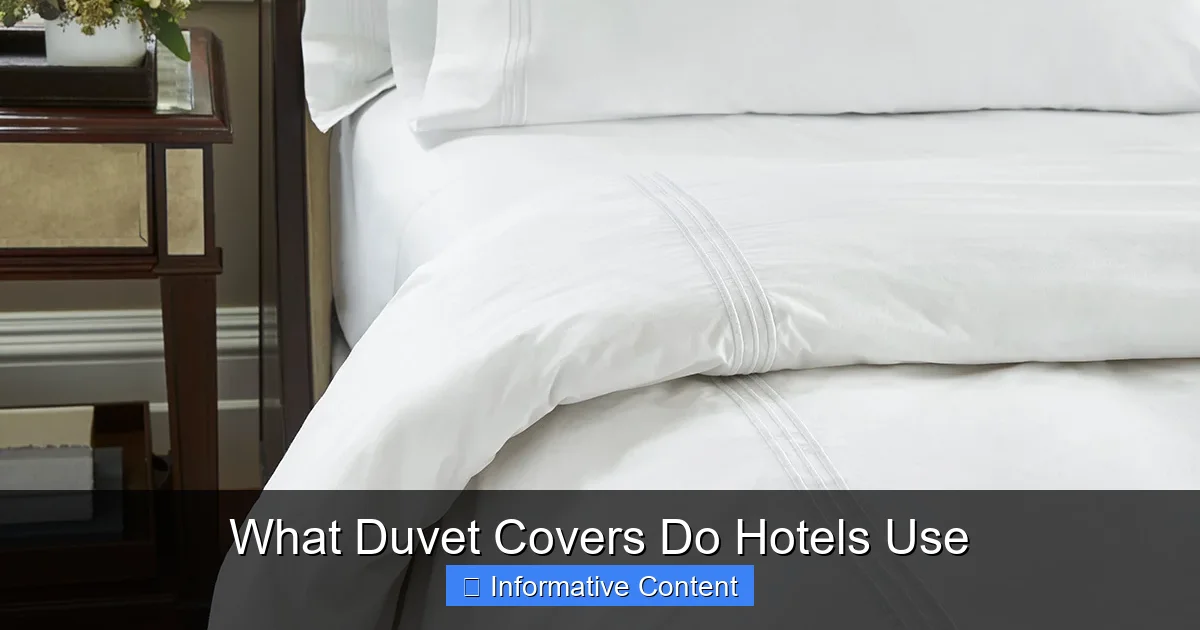
Visual guide about What Duvet Covers Do Hotels Use
Image source: storables.com
The Power of Industrial Laundering
The real secret behind hotel bedding is the cleaning process. Commercial laundries use high-heat cycles and industrial-strength, yet fabric-safe, bleaching agents. By using only white duvet covers, hotels can safely wash everything in the same load using bleach.
This ensures that every duvet cover comes out looking brand new, sanitized, and perfectly bright. Trying to achieve this with colored bedding would result in fading and mismatched sets.
Recreating the Look at Home
If you want that hotel look in your own home, go for white. It creates a timeless, minimalist aesthetic that makes your bedroom feel like a sanctuary. Plus, it is incredibly easy to decorate around. If you want to add color, you can do it with throw pillows or a decorative blanket at the end of the bed. Keeping the duvet cover white gives you the flexibility to change your room’s vibe without needing to buy a new duvet cover every season.
Durability: Built to Last Under Pressure
You might think hotel bedding is delicate because it feels so nice, but it is actually built like a tank. A commercial duvet cover is designed to handle hundreds of trips through a massive industrial dryer. These machines generate high heat and high tumble speeds that would shred a cheap, thin duvet cover from a big-box store in just a few weeks.
Reinforced Stitching and Construction
Look closely at a hotel duvet cover and you will often see reinforced stitching along the edges and the closure system. Hotels often opt for button closures or hidden envelope flaps. These are much more durable than zippers, which can break easily in heavy-duty wash cycles. When you are shopping for your own home, look for these reinforced seams. They are a sign that the manufacturer cared about the product’s lifespan.
The Importance of Weight
Another factor is the weight of the fabric. Hotels choose fabrics that have a good “heft.” It shouldn’t feel flimsy. When a duvet cover has a solid, substantial feel, it drapes better over the bed and provides a better tactile experience for the sleeper. If you buy a duvet cover and it feels paper-thin, it won’t hold up, and it certainly won’t give you that hotel-level sleep comfort.
Sourcing Your Bedding: Where Do Hotels Shop?
One of the most common questions is: where can I buy these items? Most hotels do not shop at the local department store. They have relationships with commercial hospitality suppliers. These companies specialize in high-durability textiles that are not always available to the general public, but that is changing.
Direct-to-Consumer Hospitality Brands
Today, many brands have realized that consumers want that hotel experience. You can now purchase direct from suppliers that serve major hotel chains. When looking for these, search for “hospitality-grade linens.” You are looking for a company that highlights their supply chain and focuses on fabric composition rather than flashy marketing gimmicks.
Practical Tips for Your Purchase
Before you hit “add to cart,” check for a few things. First, look for the term “long-staple cotton.” Second, check if the item is labeled as “commercial grade.” Third, consider the closure style. If you have kids or pets, button closures are often easier to repair than zippers. If you want that crisp feeling, ensure the description mentions “percale weave.”
Maintaining the Hotel Look at Home
Even if you buy the best duvet cover on the market, it won’t stay looking like a hotel bed if you don’t take care of it properly. Hotels have a professional system, but you can borrow some of their habits to keep your bedding in top shape. The most important rule is to wash your bedding frequently, but gently.
The Art of Drying
Hotels know that drying is where the damage happens. Avoid using excessive heat. If you want your duvet cover to last, pull it out of the dryer while it is still slightly damp. Smooth it out and let it finish air-drying on the bed. This reduces wrinkles and prevents the fibers from becoming brittle. If you really want that crisp look, a quick pass with a steam iron is the secret weapon that most people skip.
Avoiding Fabric Softeners
This is a big one. Many people use fabric softeners thinking they are making their bedding softer, but they are actually coating the cotton fibers in a thin layer of wax or silicone. This reduces the breathability of the fabric and makes it trap heat. Hotels rarely use fabric softeners because they want the cotton to remain crisp and breathable. Skip the softeners and you will find your bedding stays cleaner and feels better for longer.
Conclusion: The Comfort Is in the Details
Finding the perfect bedding is a journey of understanding what makes for a truly restorative sleep. When you ask, “What duvet covers do hotels use?”, the answer is simple: they use quality materials, smart designs, and consistent maintenance.
By choosing long-staple cotton, sticking to a crisp white palette, and caring for your linens with a light touch, you can bring that luxurious, five-star hotel feeling into your own bedroom every single night.
It is not about spending a fortune on the highest thread count; it is about choosing durability, breathability, and a classic style that stands the test of time. In 2026, we have more access than ever to the same suppliers the pros use. So, go ahead and treat yourself to an upgrade. Your bed should be the best place in the world, and with the right duvet cover, it certainly can be.
Frequently Asked Questions
Do hotels really use 1000 thread count sheets?
No, most high-end hotels actually avoid extremely high thread counts. They prefer a range of 200 to 400 because it offers the best balance of breathability, crispness, and durability for industrial washing.
Why do hotels almost always use white duvet covers?
White is the industry standard because it projects cleanliness and allows the housekeeping staff to use bleach during the wash. This keeps the bedding looking bright and sanitized for every guest.
What is the difference between percale and sateen?
Percale is a plain weave that feels cool and crisp, similar to a high-quality button-down shirt. Sateen is a weave that produces a softer, silkier feel with a slight sheen, which feels warmer against the skin.
How can I make my duvet cover feel like a hotel one?
The secret is to avoid fabric softeners, which coat fibers and reduce breathability. Opt for high-quality, long-staple cotton and try to iron or steam your duvet cover for that signature “crisp” appearance.
What type of closure is best for a duvet cover?
Hotels typically prefer button closures or envelope flaps over zippers. These are significantly more durable and less likely to snag or break during the intense high-heat cycles of an industrial dryer.
Where can consumers buy hotel-grade bedding?
You can find commercial-grade bedding by shopping at hospitality supply websites or direct-to-consumer brands that specifically market “hotel-quality” collections. Look for descriptors like “commercial-grade” and “long-staple cotton” in the product specs.