

Bed bug covers work by creating a physical barrier that prevents pests from entering or escaping your mattress. By fully enclosing the bed, these covers starve existing bugs and block new ones, ensuring your sleep space remains clean and secure.
If you have ever dealt with the nightmare of an infestation, you have likely asked yourself: how do bed bug covers work? These simple yet incredibly effective tools have become the gold standard for pest control in 2026. Whether you are dealing with a current problem or just want peace of mind, understanding the mechanics behind these protectors is a game-changer for your bedroom hygiene.
Bed bug covers, often called encasements, are more than just fancy fitted sheets. They are engineered to stop one of nature’s most persistent pests in its tracks. By creating a sealed, impenetrable environment, they disrupt the life cycle of the bug. Let’s dive into exactly how these tools function and why they are an essential investment for every modern household.
Key Takeaways
- Complete Encasement: High-quality covers use specialized zippers to seal the mattress entirely, preventing any gaps where bugs could escape.
- Starvation Strategy: Since bed bugs cannot feed through the fabric, they eventually die inside the sealed cover, effectively ending an active infestation.
- Preventative Shield: Using a cover acts as a preventative measure, stopping new bed bugs from nesting in your mattress seams and tufts.
- Early Detection: White or light-colored covers make it much easier to spot fecal spots or bugs during routine inspections.
- Maintenance Matters: Regular cleaning and checking for tears are vital, as even a tiny rip can render a bed bug cover useless.
- Material Durability: Modern fabric technology offers breathable, waterproof options that feel like standard bedding rather than plastic.
The Mechanics of Protection: How Do Bed Bug Covers Work?
At their core, bed bug covers function as a physical barrier. Think of it like a vault for your mattress. When you place an encasement over your mattress or box spring, you are effectively cutting off the bugs’ food supply. Bed bugs need a blood meal to reproduce and thrive. By sealing them inside, you deny them access to their favorite host—you.
The Importance of the Zipper
The weakest link in any defensive system is the entry point. This is why manufacturers put so much focus on the zipper. A standard zipper will have tiny gaps that a baby bed bug can crawl right through.
An effective bed bug cover uses a specialized, micro-teeth zipper that stays completely flush when closed. Many versions even include a hook-and-loop flap that covers the zipper pull, ensuring that not even the smallest nymph can find a way out.
Material Density and Construction
You might worry that these covers feel like sleeping on a plastic bag. Fortunately, in 2026, technology has come a long way. Modern fabrics are woven so tightly that a bug cannot penetrate them, yet they remain breathable. This material is designed to be bite-proof, meaning that if a bug is trapped on the outside, it cannot push its mouthparts through the fabric to reach you.
Stopping an Active Infestation
If you already have bugs in your mattress, you might be tempted to throw the whole bed away. Before you head to the furniture store, consider the power of the encasement. Placing a cover over an infested mattress is often the first step in professional pest control.
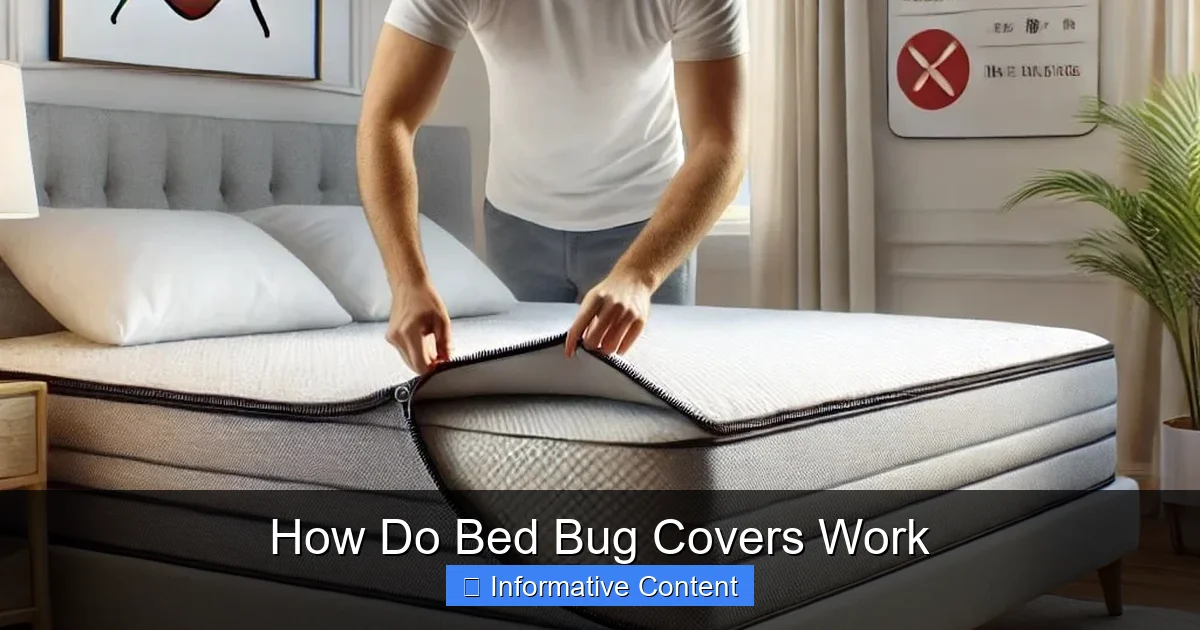
Visual guide about How Do Bed Bug Covers Work
Image source: pest.co.uk
The Starvation Method
How do bed bug covers work when you already have pests? They trap the bugs inside. Because bed bugs can survive for several months without feeding, you need to leave the cover on for a long time. By sealing the mattress, the bugs currently living in the crevices of your bed are trapped. They cannot get out to feed, and they eventually perish. It is the most passive way to eliminate a localized problem.
Preventing Escape
Another benefit is preventing the migration of bugs. If you discover an infestation, your first instinct is to move. However, dragging an infested mattress through your hallway usually spreads the pests to other rooms. By encasing the mattress in place, you prevent bugs from falling off or crawling out while you transport the item or clean the area.
Prevention: Staying Safe Before Problems Start
You do not need to have bugs to justify buying a cover. In 2026, many people use these products proactively. Think of it as insurance for your furniture. Bed bugs are world-class hitchhikers; they can arrive on your clothes after a movie, from a hotel stay, or through luggage.
Blocking Entry Points
Mattresses are full of nooks, crannies, seams, and tufts. These are exactly the places bed bugs love to call home. When you encase your mattress, you eliminate these hiding spots. The cover provides a smooth, flat surface where bugs cannot get a grip or find a secure place to lay eggs. If a bug happens to end up on your bed, it will have nowhere to hide, making it much easier for you to spot and remove it.
Protecting Your Investment
A good mattress is expensive. Aside from keeping out pests, covers protect your mattress from sweat, dust mites, and spills. By keeping the mattress in a “like-new” condition, you extend the life of your bed significantly. It is a cost-effective way to ensure your sleeping space stays sanitary for years to come.
Choosing the Right Cover for Your Home
Not all covers are created equal. When shopping in 2026, you will see a wide variety of options. Knowing what to look for is key to getting the best protection. You want something that offers full six-sided protection rather than just a top cover.
Full Encasement vs. Fitted Sheets
Only a full, six-sided encasement provides total protection. A fitted sheet style cover only protects the top, which leaves the underside of the mattress vulnerable. Bed bugs are excellent climbers; they will happily crawl around to the bottom of your mattress to find a way in. Always look for a zipper closure that covers every single side of the mattress.
Certifications and Lab Testing
Look for products that have been tested and certified by independent laboratories. Many reliable brands now carry certifications proving their fabric is “bed bug proof.” Checking reviews and looking for these specific claims can save you a lot of headache in the long run. Don’t settle for a cheap generic protector that might tear easily.
Routine Maintenance and Care
Once you have installed your cover, the work isn’t done. While these covers are low-maintenance, they do require some attention to keep them working effectively. If you neglect your cover, you might accidentally create a hole that allows bugs to bypass your defenses.
Checking for Tears
Perform a quick inspection every time you change your sheets. Look for small rips, snags, or tears in the fabric, especially near the zipper area. Even a microscopic tear is enough for a young bed bug to squeeze through. If you find a hole, it is usually best to replace the cover entirely to ensure 100% protection.
Washing and Cleaning
Most modern covers are machine washable. Follow the manufacturer’s instructions carefully. Usually, a gentle cycle with mild detergent is all you need. Avoiding harsh chemicals and high heat will help maintain the integrity of the fabric’s weave, keeping it airtight and effective against pests.
Conclusion
The question of “how do bed bug covers work” is rooted in the simple physics of barriers. By enclosing your mattress, you gain total control over the environment where you sleep. Whether you are aiming to starve out an existing population or simply want to sleep better knowing your mattress is shielded from intruders, these covers are an invaluable tool.
In 2026, the technology behind these products makes them comfortable, durable, and discreet. They fit seamlessly into your bedroom routine, providing peace of mind without sacrificing your comfort. Invest in a high-quality, six-sided encasement, check it regularly, and rest easy knowing your bed is a fortress against bugs.
Frequently Asked Questions
Do bed bug covers kill the bugs instantly?
No, they do not kill bugs on contact. Instead, they trap the bugs inside the encasement, where they eventually die from starvation over several months.
Can bed bugs bite through the cover?
Quality bed bug covers are made from specialized, tightly woven fabric that is impossible for bed bugs to penetrate. As long as the cover is intact and high-quality, they cannot reach you.
Do I need a cover for my box spring too?
Yes, it is highly recommended to encase both your mattress and your box spring. Bed bugs often prefer the dark, undisturbed environment of the box spring frame.
How long should I leave the cover on?
To ensure all trapped bugs have perished, you should leave the encasement on for at least 12 to 18 months. Never remove it prematurely, as dormant bugs can survive for very long periods.
Can I wash my bed bug cover in a standard washer?
Yes, most covers are machine washable. Just ensure you check the specific care instructions on the product tag to avoid damaging the zipper or the fabric’s protective weave.
What if I find a tiny hole in my cover?
If you find any hole or tear, you should replace the cover immediately. Even a tiny opening can allow bed bugs to enter or exit, rendering the entire barrier ineffective.