

Tired of your bedding turning into a giant, wet knot? Discover proven techniques to stop your covers from balling up, ensuring your laundry dries evenly and efficiently every single time.
We have all been there. You finish washing your bedding, move it to the dryer, and go about your day. When you return, expecting fluffy, warm sheets, you find a tight, damp, knotted ball of fabric instead. Learning how to prevent duvet cover from balling up in dryer is one of those adulting milestones that makes your life significantly easier.
By 2026, we have access to better drying tech, yet the physics of large fabric items remains the same. When a duvet cover dries, it acts like a giant sail, catching other items and folding over itself.
The good news is that you do not have to accept damp corners or wrinkled messes. With a few simple adjustments to your laundry routine, you can master the drying process. Whether you have a high-end smart dryer or a standard model, these tips will help you save time, electricity, and your sanity. Let’s dive into how to prevent duvet cover from balling up in dryer so you can get back to a cozy night of sleep.
Key Takeaways
- The Button Trick: Always fasten all buttons, snaps, or zippers before tossing your duvet cover into the dryer to prevent smaller items from getting trapped inside.
- The Wool Dryer Ball Method: Using multiple wool dryer balls creates space between laundry items, promoting airflow and preventing the cover from twisting into a ball.
- Strategic Untangling: Checking your laundry halfway through the cycle is the most effective way to catch a developing ball before it becomes a tight, damp knot.
- Don’t Overload: Giving your duvet cover plenty of room to tumble freely is essential for preventing it from bunching up against itself.
- The Knot Technique: Tying the corners of the duvet cover loosely can limit its ability to swallow other laundry items or fold in on itself.
- Lower Heat Settings: Using a gentle, low-heat cycle reduces the static that often causes fabrics to cling and clump together during the drying process.
The Importance of Proper Preparation
Before you even think about the dryer, the preparation phase is where the magic happens. Many people throw their bedding in a heap, which is the quickest way to guarantee a tangle later on. Taking an extra sixty seconds to prepare your duvet cover changes everything.
Closing All Fastenings
The number one reason duvets become a tangled mess is that they act like a sleeping bag. If your duvet cover has buttons, snaps, or a zipper, they must be closed. When left open, the cover acts like a mouth, swallowing socks, pillowcases, or even other sheets.
Once these items are trapped inside, the cover twists and folds, preventing air from reaching the middle. Always take the time to zip it shut or button every single opening. This simple step keeps the cover as a flat, single unit, which is much less likely to ball up.
Shaking It Out
Never take the duvet cover directly from the washer and toss it into the dryer. It is likely already twisted from the spin cycle. Give it a good, vigorous shake. This untangles the fabric and allows it to sit loosely in the drum. A little bit of manual labor before the machine starts saves you a headache later.
The Power of Dryer Balls and Spacers
The biggest enemy of a dry duvet cover is lack of airflow. When fabric clumps together, the outside dries while the inside stays damp. Dryer balls are your secret weapon in the fight against the balling effect.
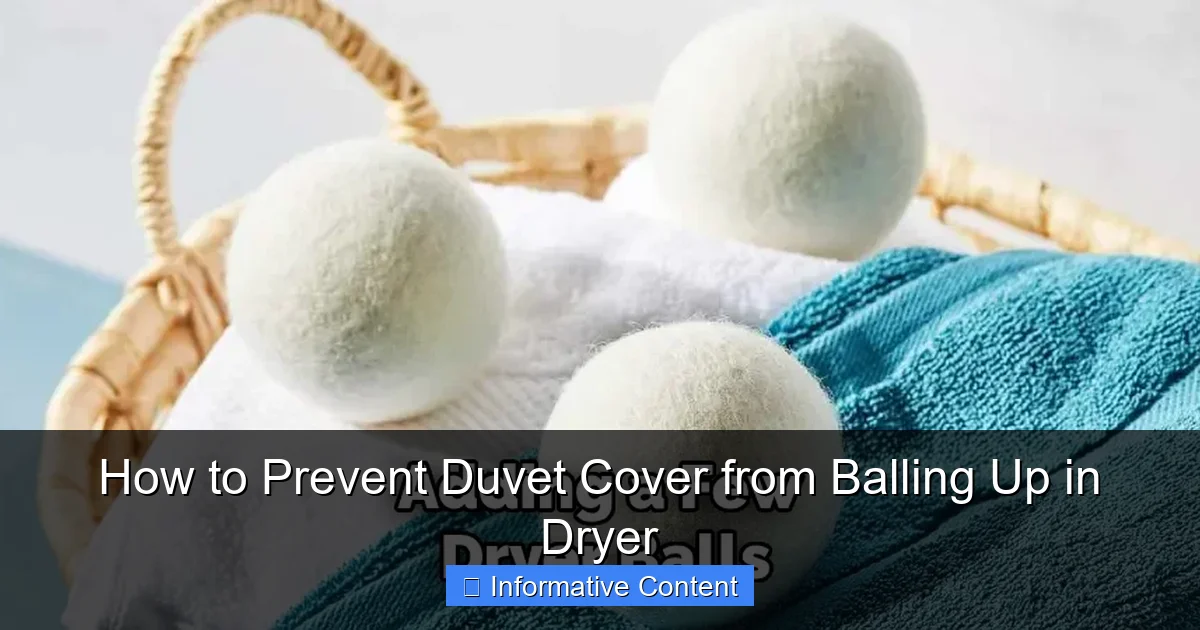
Visual guide about How to Prevent Duvet Cover from Balling Up in Dryer
Image source: indoorense.com
Why Wool Dryer Balls Win
In 2026, wool dryer balls have become a laundry room staple for good reason. They are eco-friendly, quiet, and highly effective. When you throw three to five wool balls into the dryer with your duvet, they act as physical barriers. They force their way between layers of fabric, preventing the duvet cover from clinging to itself. By creating these little air pockets, the balls ensure that warm air circulates through the entire item, not just the outer layers.
The Tennis Ball Alternative
If you do not have wool dryer balls, clean tennis balls can work in a pinch. However, keep in mind that they are noisier. The goal is simply to have something solid bouncing around to break up the “ball” before it forms. You will be amazed at how much faster your bedding dries when it is not allowed to clump together.
Managing Load Size and Dryer Settings
Sometimes, the culprit isn’t the duvet – it is the machine. Overloading the dryer is the most common mistake people make. Even if the drum seems big enough to fit everything, large items like duvets need plenty of room to tumble freely.
The One-Item Rule
If possible, try to dry your duvet cover on its own. While it might seem like a waste of energy to run a cycle for one item, the efficiency gain is worth it. When you mix a giant duvet cover with smaller items like towels or shirts, the duvet will inevitably swallow them.
If you must dry other things, try to keep them small and similar in weight, or simply dry the cover separately. You will find that the cycle finishes much faster when the air is not fighting to reach the center of a giant tangle.
Choosing the Right Heat Level
We often think that “more heat” equals “faster drying.” In reality, high heat can lead to static electricity. Static is a major contributor to fabric clinging, which is the precursor to balling. By using a medium or low heat setting, you reduce the static charge.
This keeps the fabric supple and less prone to sticking to itself. Most modern dryers also have a “bedding” cycle. If yours has one, use it! These cycles are specifically programmed to occasionally reverse the tumble direction, which helps shake the duvet out if it starts to fold.
The Mid-Cycle Intervention
Sometimes, no matter what you do, the duvet cover decides it wants to form a knot. This is where you have to take an active role. Technology is great, but human intuition is better.
Set a Timer
Don’t just set it and forget it. If you have a large duvet cover, set a timer on your phone for halfway through the drying cycle. When the alarm goes off, open the door and check on the progress. If you see the cover starting to bunch, give it a quick shake and re-load it.
This thirty-second intervention is the single most effective way to prevent the dreaded tight ball. It ensures that the damp spots which are usually in the folds are exposed to the warm air for the second half of the cycle.
Why It Works
By manually untangling the item, you are “resetting” the drying process. The duvet cover will have a fresh chance to tumble, and the chances of it knotting again during the final twenty minutes are significantly lower. Plus, it gives you a chance to see if smaller items have managed to sneak inside, allowing you to pull them out early.
The Knot Method: A Pro Tip
For those who struggle with covers that constantly swallow other items, there is a specific trick used by laundry professionals: the “corner knot” method. It sounds strange, but it is highly effective.
How to Execute the Knot
Take two opposite corners of the duvet cover and tie them loosely into a single, large knot. You do not want it tight, just enough to change the shape of the cover.
By turning the cover into a sort of “bag” shape rather than a long, flat sheet, you significantly reduce its ability to wrap around itself or other clothing. It creates a more structured shape that tumbles consistently without folding into a tight center. When the cycle is done, just untie the corners, and you are ready to go.
Conclusion
Mastering how to prevent duvet cover from balling up in dryer does not require expensive tools or complicated machines. It is all about physics, preparation, and a little bit of mindfulness. By closing your buttons, using dryer balls, avoiding the temptation to overstuff your machine, and remembering to check in on your laundry mid-cycle, you can say goodbye to damp, knotted bedding forever.
Laundry is a chore we all have to do, but it does not have to be a source of frustration. With these 2026 laundry strategies, your bedding will come out soft, warm, and ready to be put back on your bed. The next time you wash your duvet, remember these steps, and enjoy the satisfaction of perfectly dry linens every single time. Happy laundering!
Frequently Asked Questions
Should I dry my duvet cover with towels to help it dry faster?
It is generally better to avoid drying heavy towels with a duvet cover. Towels are abrasive and can cause pilling, and their weight often contributes to the duvet cover tangling into a ball.
Is it okay to use high heat to speed up the process?
High heat can increase static electricity, which causes fabrics to cling and ball up more easily. It is better to use medium heat and a slightly longer time to keep the fabric loose and prevent clumping.
Do wool dryer balls really make a difference?
Yes, wool dryer balls are excellent at separating layers of fabric. They act as physical barriers in the dryer, preventing the duvet cover from folding over itself and creating the airflow needed for even drying.
Why does my duvet cover always have damp spots in the middle?
The damp spots happen because the cover has balled up, preventing warm air from reaching the center of the fabric. Untangling the cover halfway through the cycle usually solves this problem.
Does the size of my dryer matter?
The size of your dryer is critical. If your dryer drum is too small for a large duvet cover, the fabric will have no room to tumble, making it almost impossible to prevent it from balling up.
Is there a setting I should look for on my dryer?
Many modern dryers have a “Bedding” or “Comforter” cycle. These cycles are designed to rotate the drum in different directions, which helps prevent items from getting tangled into a knot.