

Linen duvet covers are absolutely worth the investment for those prioritizing high-quality sleep and sustainable living. While they carry a higher upfront cost, their superior breathability, moisture-wicking properties, and ability to become softer with every wash make them a durable, long-term luxury for your bedroom.
If you have spent any time scrolling through interior design blogs or checking out home decor trends in 2026, you have almost certainly come across the effortless, crinkled charm of linen bedding. There is something inherently soothing about a bed draped in soft, textured linen.
It looks like the kind of place where you could easily snooze for an extra hour on a Sunday morning. But, beyond the aesthetic appeal, we have to talk about the big question: are linen duvet covers worth it?
Investing in your bedding is truly an investment in yourself. Since you spend roughly one-third of your life in bed, the materials that touch your skin matter more than most people realize. In this guide, we will break down exactly why linen has become the gold standard for luxury bedding and whether it fits your specific lifestyle and budget.
Key Takeaways
- Natural Temperature Regulation: Linen is inherently breathable, keeping you cool in the summer and cozy in the winter.
- Superior Durability: Flax fibers are significantly stronger than cotton, meaning your duvet cover will last for decades if cared for properly.
- Sustainable Choice: Flax requires less water and fewer pesticides to grow than conventional cotton, making it an eco-friendly textile.
- Low Maintenance Aesthetic: The “rumpled” look of linen is intentional and chic, meaning you can skip the ironing and enjoy a relaxed vibe.
- Hypoallergenic Benefits: Linen naturally resists bacteria and allergens, providing a cleaner environment for allergy sufferers.
- Investment Value: While initial costs are higher, the long lifespan of linen bedding offers a better value proposition than frequent replacements.
The Science of Sleep: Why Linen Performs Better
When we talk about sleep quality, we usually focus on mattresses and pillows. However, the fabric of your duvet cover plays a critical role in your thermal comfort throughout the night. Linen is a miracle fiber when it comes to temperature regulation.
Natural Breathability and Moisture Management
Linen comes from the flax plant, which possesses a unique, hollow fiber structure. This allows air to flow freely through the fabric. Unlike synthetic fabrics or heavy, high-thread-count cottons that can trap heat, linen actively wicks moisture away from your body. If you are someone who tends to get “hot and bothered” while sleeping, linen is going to feel like a breath of fresh air.
Adapting to Your Climate
One of the most remarkable things about linen is its versatility. It is not just a summer fabric. Because of its weight and the way it traps tiny air pockets, it provides just enough insulation during the cooler months to keep you cozy without feeling suffocating. It is truly a year-round textile that adjusts to your body heat.
The Durability Factor: A Long-Term Investment
When you look at the price tag of a high-quality linen duvet cover, it might seem steep. However, the term “investment” is used for a reason. Linen is widely considered the strongest natural fiber in the world. In fact, it is about 30 percent thicker and stronger than cotton.
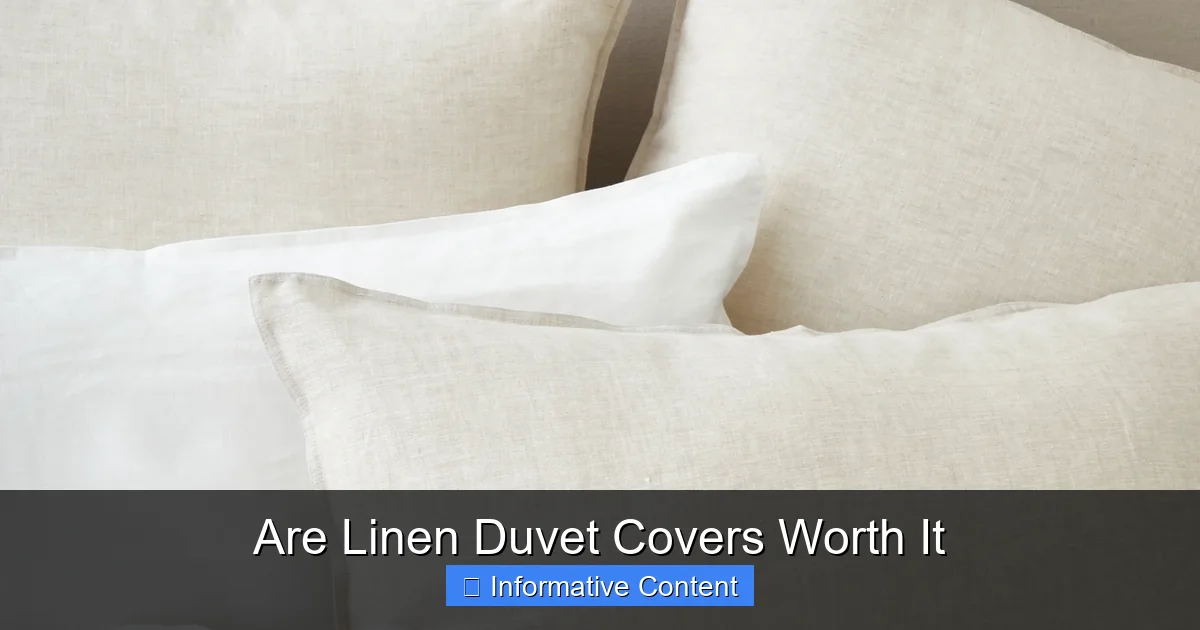
Visual guide about Are Linen Duvet Covers Worth It
Image source: wallacecotton.com
Strength Through Use
Most fabrics start to degrade the more you wash them. Linen is the exact opposite. Because flax fibers are so robust, the fabric actually becomes softer and more supple with every single trip through the washing machine. A linen duvet cover that is five years old often feels better than one that is brand new.
Resisting Wear and Tear
Linen is naturally resistant to pilling, which is that annoying fuzzy buildup you see on cheap bedding. It also maintains its shape exceptionally well over time. If you are looking for a “buy it for life” item for your home, linen is a top contender.
Sustainability in the Bedroom
In 2026, many of us are trying to make more conscious choices about what we bring into our homes. If you are aiming to reduce your environmental footprint, linen is one of the most sustainable choices you can make. The flax plant is a hero in the agricultural world.
Low-Impact Farming
Flax plants require very little water to grow compared to the massive amounts of water needed for conventional cotton. Furthermore, flax can grow in poor-quality soil where other crops might struggle. It is a hearty plant that often requires no irrigation and very few, if any, pesticides or fertilizers.
Biodegradable Luxury
Because linen is a natural plant fiber, it is fully biodegradable at the end of its long life. When you compare this to polyester or microfiber bedding—which are essentially plastics—the choice becomes clear. Choosing linen is a vote for healthier soil and less microplastic pollution.
Embracing the “Perfectly Imperfect” Look
Perhaps the biggest hurdle for new linen buyers is the wrinkle factor. If you are someone who loves a crisp, hotel-style bed with perfectly pressed sheets, linen might shock you at first. However, once you embrace the aesthetic, it is hard to go back.
The Beauty of Texture
The crinkles in linen are not a sign of sloppiness; they are a sign of quality. This texture adds depth and visual interest to a room. It makes a bedroom feel lived-in, cozy, and inviting rather than sterile and untouchable.
Style Tips for the Linen Lover
To get that high-end designer look, keep your linen duvet slightly oversized. Let it drape naturally over the sides of the bed. You can mix and match neutral colors like sand, charcoal, and white for a sophisticated, calming palette. Because the fabric is inherently casual, it pairs beautifully with wooden furniture, indoor plants, and soft, ambient lighting.
How to Care for Your Linen?
A common myth is that linen is “high maintenance.” The truth is actually the opposite. Linen is remarkably easy to care for, provided you follow a few simple rules. Since linen is durable, you do not need to baby it, but you should avoid harsh chemicals.
Washing Guidelines
Always wash your linen on a cool or lukewarm setting with a mild detergent. Avoid using bleach, as it can weaken the natural fibers. If you have the space, line drying your linen is the best way to keep it fresh and reduce energy use. The sun also acts as a natural whitener for white or cream-colored linens.
Tumble Drying and Softness
If you prefer to use a dryer, keep it on a low heat setting and remove the duvet cover while it is still slightly damp. This prevents the fibers from becoming brittle. If you want a softer feel right away, many people find that adding a half-cup of baking soda to the wash cycle helps break down the fibers faster, resulting in that “broken-in” softness much sooner.
The Verdict: Is It Worth the Price?
So, we circle back to the original question: are linen duvet covers worth it? For the vast majority of sleepers, the answer is a resounding yes. You are not just paying for a piece of fabric; you are paying for better sleep, a more sustainable home, and a product that will remain in your rotation for years to come.
If you are someone who appreciates quality over quantity, linen is an easy win. It eliminates the need to constantly replace worn-out, pilled, or thin bedding. By choosing linen, you are simplifying your life and elevating your daily rest. Treat your linen well, and it will treat you to the most comfortable sleep of your life for years to come.
Frequently Asked Questions
Do linen duvet covers get softer over time?
Yes, absolutely. Linen fibers are very strong and actually become softer, more flexible, and more comfortable with every wash, which is why vintage linen is so highly prized.
Are linen duvet covers hard to clean?
Not at all. You can machine wash them on a gentle cycle with mild detergent, and they do not require any special treatment like ironing or professional dry cleaning.
Do I really have to live with wrinkles?
Yes, but that is part of the charm! The natural, relaxed wrinkles are the signature look of high-quality linen and give your bedroom a chic, cozy, and intentional aesthetic.
Is linen bedding good for hot sleepers?
Linen is one of the best materials for hot sleepers because it is highly breathable and excellent at wicking moisture away from the skin, helping you stay cool and dry.
Will linen shrink when I wash it?
Most high-quality linen is pre-washed during the manufacturing process to minimize shrinking. However, always wash in cool water and avoid high heat in the dryer to ensure the best longevity.
How does linen compare to Egyptian cotton?
While cotton is soft from day one, it can trap heat and thin out over time. Linen is more durable, regulates temperature better, and provides a textured, rustic style that cotton cannot replicate.