

The main difference between a duvet cover and a comforter lies in their construction and maintenance. A comforter is a single, all-in-one piece of bedding, while a duvet cover acts as a protective, removable shell for a separate, fluffy duvet insert. Understanding these options will help you make the best choice for your sleep comfort and bedroom style.
When you are setting up your bedroom in 2026, one of the biggest decisions you will make is how to dress your bed. If you have ever felt overwhelmed by the endless options at a home goods store, you are not alone. Two terms often pop up: comforters and duvet covers. While they might look similar once they are neatly tucked on your mattress, they function in very different ways.
Think of this guide as a conversation between friends. We are going to break down the actual difference between duvet cover and comforter options so you can choose what feels right for your home. Whether you love a simple bed-making routine or you prefer the luxury of swapping out styles, we have you covered.
Key Takeaways
- All-in-one vs. Two-piece: A comforter is a standalone product, whereas a duvet system uses a separate insert and a removable cover.
- Ease of Cleaning: Duvet covers are machine washable and easy to remove, while comforters can be bulky and difficult to clean in standard home machines.
- Styling Versatility: A duvet cover allows you to change your bedroom look quickly without buying a new, expensive insert.
- Warmth Customization: Duvet inserts come in various weights and materials, allowing you to swap them based on the season.
- Simplicity: Comforters are the “grab-and-go” option for those who want their bedding ready to use immediately without assembly.
- Cost Considerations: While comforters often have a lower initial price, a quality duvet system can save money over time by making laundry easier and prolonging the life of your insert.
The Basics: What is a Comforter?
Let’s start with the comforter. A comforter is essentially a thick, quilted blanket. It is stuffed with insulation often synthetic fiberfill or down and then sewn shut. Because the filling is stitched directly into the fabric, you don’t need to add anything else to it. It is an all-in-one solution for your bed.
The Benefits of Choosing a Comforter
The primary advantage of a comforter is convenience. You buy it, you fluff it, and you put it on your bed. There is no assembly required. For many people, this is a huge win. If you like to keep your life simple and minimize chores, the comforter is your best friend. They often come in “bed-in-a-bag” sets that include matching pillow shams and bed skirts, making it easy to create a cohesive look in minutes.
The Downsides of Comforters
The main drawback comes down to the laundry. Because the filling is sewn inside, you have to wash the entire bulky unit. Many modern comforters are too large for standard home washing machines. This means you might need to head to a laundromat or pay for professional cleaning services. Over time, the constant washing can also cause the filling to clump or shift, which may shorten the lifespan of your cozy bedding.
Understanding the Duvet System
A duvet is a two-part system. First, you have the duvet insert, which is like a plain, white, fluffy blanket. Then, you have the duvet cover. You can think of the duvet cover as a giant pillowcase for your duvet insert. You slide the insert inside the cover, button or zip it up, and you are ready for bed.
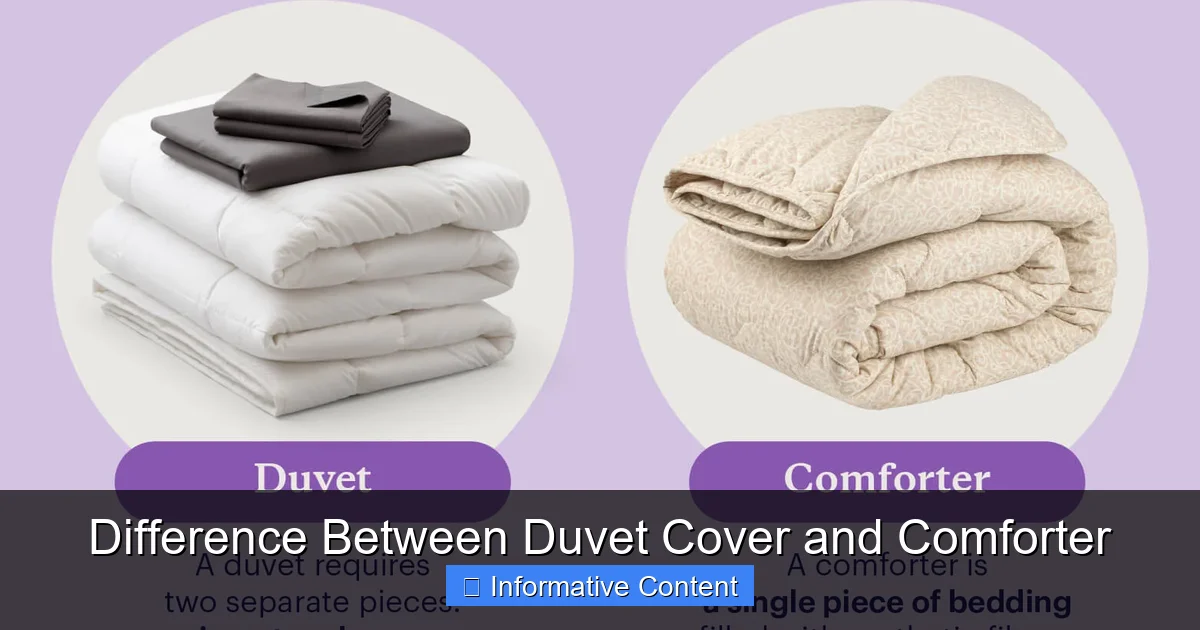
Visual guide about Difference Between Duvet Cover and Comforter
Image source: purple.com
Why People Love Duvet Covers
The biggest reason people switch to a duvet cover is the ease of cleaning. When the cover gets dirty, you simply unzip it and toss it in your washing machine just like your sheets. This keeps your actual duvet insert clean and protected.
Furthermore, a duvet cover lets you change the “vibe” of your room without spending a fortune. Tired of your blue bedroom? Swap the duvet cover for a floral print or a crisp white linen one, and your room looks brand new for a fraction of the cost.
Customizing Your Comfort Level
Another major difference between a duvet cover and comforter is the ability to swap the insert. If you live in a place with cold winters and hot summers, you can keep a lightweight down alternative insert for the summer months and switch to a heavy, lofty down insert when the temperature drops. This is a game-changer for sleep quality.
Comparing Maintenance and Longevity
When we talk about the difference between a duvet cover and a comforter, we have to talk about chores. In 2026, most of us are busier than ever. We want home items that work for us, not against us.
The Laundry Reality
If you choose a comforter, you are committing to washing a large, heavy object. If you have a queen or king-size bed, that usually means a trip to the local cleaner. If you spill coffee or have a pet that likes to jump on the bed, that cleaning schedule becomes frequent. With a duvet cover, you can wash it weekly along with your sheets. It takes up very little space in the machine, and it dries quickly.
Durability and Wear
Because you are washing the entire comforter frequently, the outer fabric tends to wear out faster. The corners may fray, or the seams might begin to pull after a few years. A duvet insert, on the other hand, rarely needs washing. You might wash it once or twice a year. Because it is protected by the cover, the insert can last for many years, providing a better long-term investment.
Style and Aesthetics: Which Looks Better?
Style is subjective, but there are distinct differences in how each option looks on a bed. Comforters have a more traditional, “puffy” aesthetic. Because they are designed as a single unit, they often have decorative stitching patterns that hold the filling in place. This can give the bed a very tailored, finished look right out of the packaging.
Achieving the Designer Look
Duvet covers offer a more “relaxed” or “lived-in” aesthetic that is very popular in modern design. Think of those high-end hotel beds that look fluffy and inviting. Because the duvet insert is usually quite soft and airy, it sits beautifully inside a high-quality duvet cover. You can find covers made from cotton, linen, silk, or velvet, allowing you to tailor the texture of your bed to match your personal style perfectly.
The “Fluff” Factor
One trick designers use is to choose a duvet insert that is slightly larger than the cover. This makes the duvet look extra plump and luxurious. Comforters don’t offer this kind of flexibility; you are stuck with the volume and loft that came in the box.
Budgeting for Your Bedding
When you look at the price tags, the difference between a duvet cover and comforter can be tricky. A basic comforter set is often the most budget-friendly option. If you are a student or someone just moving into their first apartment, a comforter set provides immediate value because it includes everything you need.
The Long-Term Investment
Duvet systems usually have a higher upfront cost because you are buying two separate components: the insert and the cover. However, consider the long-term value. Once you have a high-quality insert that you love, you only need to purchase new covers as trends change or seasons shift. Over five years, a duvet system often proves to be the smarter financial choice because you aren’t replacing the entire set every time you want a style change.
Practical Tips for 2026 Bedding Success
Regardless of what you choose, there are a few tips to keep in mind. If you go the duvet route, look for covers that have internal ties. These are small ribbons at the corners that attach to your insert and prevent it from sliding around inside the cover. Nothing is more annoying than waking up with the insert bunched up at the bottom of the cover!
If you prefer a comforter, look for high-quality box-stitching. This prevents the filling from shifting into one corner of the blanket. Also, always check the care label. Even if a comforter says “machine washable,” double-check that your machine is actually big enough to handle it without damaging the motor.
Choosing Based on Your Lifestyle
Ask yourself these three questions: How often do I want to do laundry? Is my budget flexible? Do I like to change the style of my room often? If you answered “as little as possible” to the first question, a comforter is likely your best bet. If you answered “yes” to the last two, the duvet system is going to be your new favorite thing.
Conclusion
Ultimately, the difference between a duvet cover and comforter comes down to how you want to manage your sleep environment. The comforter is the reliable, no-fuss option for those who want their bed to be ready in seconds. The duvet system is the versatile, stylish, and easy-to-clean choice for those who value flexibility and long-term quality.
There is no “wrong” answer. Both options can provide a cozy, restful night’s sleep in 2026. Whether you go with the simple convenience of a comforter or the modular luxury of a duvet, the most important thing is that your bed feels like a sanctuary at the end of a long day.
Frequently Asked Questions
Can I use a duvet insert by itself?
Technically, yes, but it is not recommended. Most duvet inserts are not designed to be attractive, and using them without a cover will quickly lead to dirt, stains, and wear on the fabric.
How do I stop the duvet from bunching inside the cover?
Look for duvet covers that feature corner ties or clips to secure the insert. If your cover doesn’t have them, you can purchase separate duvet clips to hold everything in place.
Are comforters always warmer than duvets?
Not necessarily, as warmth depends on the weight and material of the filling rather than the construction. You can find lightweight or ultra-warm options for both comforters and duvet inserts.
How often should I wash my duvet cover?
It is best to wash your duvet cover once every one to two weeks, similar to how you wash your bed sheets. This maintains hygiene and keeps your bedroom smelling fresh.
Can I put a comforter inside a duvet cover?
While you can do this if you want an extra layer of warmth, it is not common practice. Duvet covers are specifically sized to fit duvet inserts, so a comforter might be too thick or the wrong shape to fit comfortably.
Which is better for people with allergies?
A duvet system is generally better for allergy sufferers because the cover can be washed frequently to remove dust and allergens. You can also choose hypoallergenic synthetic inserts that are easy to maintain.