
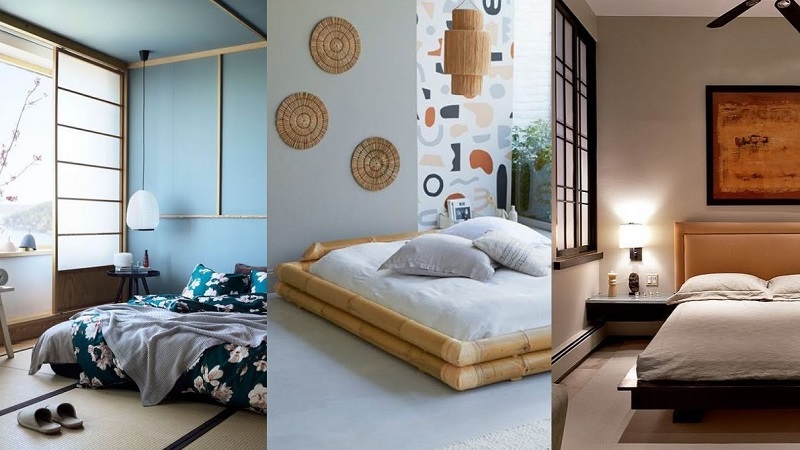
A bedroom should feel like a sanctuary, a place where the mind can rest and recharge. Minimalist furniture, soft textures, and natural elements work together to create a space that promotes peace and clarity. Earthy tones like beige, soft greens, and muted blues encourage relaxation and help reduce stress.
Adding indoor plants not only enhances air quality but also introduces a touch of nature that calms the senses. Lighting plays a crucial role; warm, dimmable lights or paper lanterns create a soothing atmosphere.
Textiles such as linen bedding, soft rugs, and cozy throws invite comfort while maintaining simplicity. Strategic use of storage prevents clutter, allowing the room to breathe and the energy to flow freely.
Small details like bamboo accents, essential oil diffusers, or a meditation corner bring mindfulness into daily life. These ten zen bedroom decor ideas offer practical ways to design a space that nurtures calm, balance, and restorative sleep.
10 Zen Bedroom Decor Ideas
A bedroom shapes how we rest, think, and feel. A Zen-inspired bedroom focuses on peace, balance, and simplicity. Clear space, calm colors, and natural elements help the mind relax. Stress reduces, sleep improves, and energy rises when your room feels calm.
Every detail matters from the bed sheets to lighting and furniture placement. Small changes create a big difference in mood. This guide explains ten practical Zen bedroom decor ideas with details you can apply immediately.
1. Use Soft, Neutral Colors

Soft colors calm the mind. Shades like beige, soft gray, light taupe, or off-white reduce visual noise. Studies show that neutral tones can lower stress levels and create a sense of spaciousness. Avoid bold reds or bright yellows because they increase energy and tension.
A neutral wall color sets the stage. Pair it with matching curtains, bedding, and rugs to keep a consistent peaceful feeling. Accent with soft greens or blues to bring balance without overwhelming the senses.
2. Keep Furniture Simple
Minimalist furniture reduces clutter and mental load. Choose low-profile beds, small nightstands, and simple dressers with clean lines. Avoid heavy, ornate furniture that crowds the room.
For example, a wooden bed frame with thin legs feels lighter than a solid box frame. Multi-purpose furniture helps, such as a bench with storage or a small shelf that holds essentials without taking space. This keeps walking areas open and supports free energy flow, known as “Chi” in Zen philosophy.
3. Add Natural Materials

Natural materials connect your room to nature. Wood, bamboo, rattan, cotton, linen, and wool all feel soft and calming. A bamboo blind lets sunlight filter gently, and wooden furniture warms the space.
Cotton or linen sheets are breathable, improve sleep, and feel gentle on skin. Even small details, like a woven basket or a wooden lamp base, bring texture and nature indoors. Studies show that contact with natural textures lowers heart rate and stress.
4. Use Minimal Decor
Clutter adds stress and distraction. Keep decorations simple and intentional. One piece of wall art or a single vase on the nightstand is better than multiple items. Empty surfaces let the mind rest.
Choose meaningful items only like a photo of a loved one, a stone from a travel place, or a small plant. Avoid shelves crowded with unnecessary objects. Less visual clutter improves focus, relaxation, and overall room energy.
5. Add Indoor Plants

Plants clean air and boost mood. Peace lilies, snake plants, bonsai, or small ferns work well indoors. A small plant near your bed or window improves oxygen levels at night and promotes calmness.
Science shows indoor plants can reduce stress by up to 37% and improve concentration. Watering and caring for plants also create a sense of mindfulness. Arrange plants symmetrically for balance or in odd numbers for visual harmony.
6. Choose Soft Lighting
Lighting affects energy and sleep. Bright overhead lights increase alertness, while soft lamps, fairy lights, or candles create calm. Warm LED bulbs (2700K–3000K) mimic sunlight and reduce eye strain.
Place lamps on nightstands or use indirect light behind furniture. During the day, open windows to let natural light in. Exposure to daylight improves mood and regulates sleep-wake cycles. Dim lights in the evening signal your brain that it’s time to relax.
7. Keep Floors Clear

Empty floors make space feel open and safe. Avoid leaving shoes, boxes, or extra rugs scattered. One small mat or a simple area rug is enough. Zen principles value open space to allow free energy flow.
Floors can also act as a visual calm zone bare wood or simple tiles add to this effect. Regular cleaning maintains a sense of freshness and order. Clear floors also reduce dust accumulation, improving air quality.
8. Include a Meditation Corner
A meditation corner provides a quiet spot for reflection or reading. Use a small cushion, a low chair, or a floor mat. Add a plant, candle, or small artwork to inspire calm.
Meditation benefits include lower stress, reduced anxiety, and improved focus. Even a 5–10 minute daily session in your Zen corner can improve mood and sleep quality. Keep the space minimal avoid clutter around it so it feels inviting and serene.
9. Add Calming Scents

Natural scents help the mind relax. Essential oils like lavender, sandalwood, eucalyptus, or jasmine create a soothing atmosphere. Studies show lavender reduces heart rate and blood pressure.
Diffusers, scented candles, or incense work well, but avoid overpowering smells. Keep the scent consistent with the mood of the room. Even small changes, like placing a lavender sachet in your drawer, can enhance relaxation.
10. Maintain Cleanliness
Clean spaces create a calm mind. Regularly wash bedding, wipe surfaces, and remove unused items. Unclean or messy spaces increase stress and mental clutter.
Use simple storage solutions like baskets, boxes, or drawers to keep items organized. A clean room supports the Zen principle of clarity. This simple habit improves sleep quality, focus, and daily energy levels.
Final Thoughts
A Zen bedroom combines simplicity, natural elements, and calm energy. Every element color, furniture, lighting, plants, and scents affects mood and relaxation. Applying these ten ideas can create a peaceful environment that reduces stress and supports better sleep.
Small changes in decor, organization, and materials make a big difference in comfort. A Zen bedroom is not just decor – it is a way to improve daily life and well-being.
FAQs
1. How can I make a small bedroom feel Zen?
Use light colors, minimal furniture, and clear floors. Mirrors and soft lighting also make a small space feel larger and calmer.
2. Are candles necessary for a Zen bedroom?
Not necessary, but soft candlelight adds warmth and a relaxing mood. Use natural scents for best effect.
3. Can I mix modern and Zen styles?
Yes. Keep modern furniture minimal and combine with natural materials like wood or cotton for balance.
4. How often should I clean a Zen bedroom?
Tidy daily and deep clean weekly. Regular cleaning keeps energy positive and space fresh.
5. Which indoor plants are easiest for beginners?
Snake plants, pothos, or small succulents need little care and survive low light conditions.