
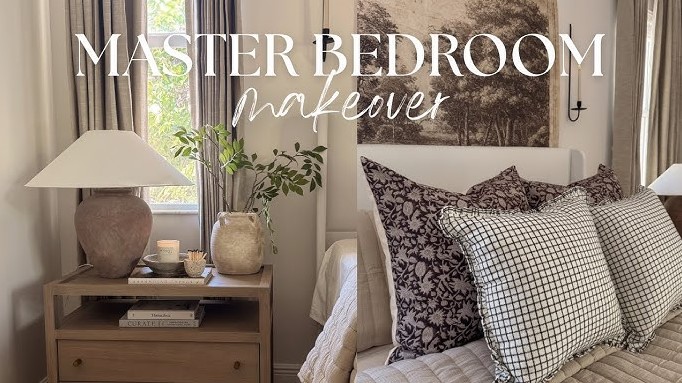
A traditional master bedroom brings warmth, elegance, and a sense of calm to any home. Rich wood tones, classic patterns, and luxurious fabrics create a space that feels both inviting and refined. Soft lighting highlights intricate details, from carved furniture to patterned rugs, making the room a perfect retreat.
Combining timeless colors like deep blues, creams, and earthy tones enhances the overall harmony of the space. Accessories such as vintage mirrors, chandeliers, and framed artwork add personality and charm without overwhelming the room.
Layered textures, from plush bedding to woven throws, bring depth and comfort, inviting relaxation after a long day. Every corner can reflect a balance of style and function, providing ample storage while maintaining a clean, graceful look.
These traditional decorating ideas focus on blending classic elements with practical design, resulting in a master bedroom that feels both luxurious and lived-in.
10 Traditional Master Bedroom Decorating Ideas
Traditional master bedrooms offer a timeless and comfortable environment. They balance elegance, functionality, and calmness. Wooden furniture, soft color palettes, and classic patterns make the room feel warm and inviting.
A traditional bedroom is organized, easy to maintain, and visually relaxing. Small details like lamps, rugs, curtains, and art pieces work together to create harmony. Using symmetry and quality materials adds to the classic charm.
Each design choice contributes to a space that feels calm, elegant, and welcoming. This guide shares ten detailed traditional decorating ideas. Each idea includes practical tips, materials, colors, and layout suggestions to help you plan your bedroom perfectly.
1. Wooden Furniture for Timeless Appeal

Wood creates warmth and adds natural beauty to a bedroom. Choose solid wood like oak, walnut, or mahogany for durability. Dark woods like walnut give a classic look, while lighter woods like oak or maple feel airy.
- Bed frames: A king or queen-size wooden bed with carved headboards and footboards adds elegance.
- Nightstands and dressers: Keep matching pieces on both sides of the bed for symmetry.
- Wardrobes: Wooden wardrobes with paneled doors enhance the classic look.
Carved details and smooth finishes make furniture visually appealing. Avoid mixing too many wood tones; a consistent color keeps the room harmonious.
2. Neutral and Soft Color Palettes
Colors set the mood in a bedroom. Soft, neutral shades work best for traditional designs. These shades make the room feel calm, open, and relaxing.
- Walls: Cream, beige, soft gray, or taupe are excellent choices.
- Ceiling: White or very light beige keeps the room bright.
- Accents: Use pastel tones like light blue, soft peach, or sage green in pillows, curtains, or artwork.
Adding depth with darker shades on furniture or a feature wall creates balance. Avoid very bright or neon colors—they clash with the classic style.
3. Elegant Bedding and Fabrics

Comfortable and stylish bedding is essential. Use soft fabrics like cotton, linen, or cotton-linen blends. Traditional bedrooms favor subtle patterns like stripes, florals, damask, or small geometric prints.
- Layering: Place a fitted sheet, flat sheet, comforter or quilt, and decorative pillows.
- Textures: Add a soft throw blanket or knitted cushion for depth.
- Colors: Match bedding with the room palette neutral sheets with pastel pillow accents work well.
High-thread-count sheets feel soft and luxurious. Fabrics like cotton-sateen provide both comfort and durability.
4. Symmetrical Furniture Layout
Balance defines traditional design. Symmetry creates a visually calming effect.
- Bed: Center the bed on the main wall.
- Nightstands: Place identical nightstands on each side.
- Lamps: Matching bedside lamps enhance symmetry.
- Additional pieces: Benches at the foot of the bed or chairs near windows keep the layout even.
Symmetry improves visual harmony and makes the room feel organized.
5. Classic Window Treatments

Windows are key to light and style. Floor-length curtains and drapes are perfect for traditional bedrooms.
- Fabric: Cotton, linen, or light velvet adds elegance.
- Colors: Neutral or soft patterns complement wall colors.
- Style: Use pleated drapes or simple panel curtains. Tiebacks allow sunlight during the day.
Layering sheer curtains under heavy drapes adds privacy and style. Soft fabrics prevent harsh sunlight and maintain a calm ambiance.
6. Decorative Rugs for Warmth
Rugs tie a room together and add comfort. Choose a rug large enough to extend beyond the bed by 2-3 feet on each side.
- Material: Wool, cotton, or blends are durable and soft.
- Patterns: Persian, floral, or classic geometric patterns suit traditional bedrooms.
- Placement: Position the rug under the bed, leaving equal space on each side.
Rugs soften hard floors, reduce noise, and create a cohesive look. Choosing a rug with complementary colors enhances harmony.
7. Statement Lighting

Lighting defines the mood in a bedroom. Use layers of light to create balance and warmth.
- Ceiling light: A chandelier or decorative ceiling light becomes a focal point. Brass, bronze, or crystal styles work best.
- Bedside lamps: Table lamps with fabric shades provide soft, relaxing light.
- Accent lighting: Add wall sconces or small floor lamps near seating areas.
Dimmer switches allow light adjustment for reading or relaxation. Proper lighting highlights furniture and décor.
8. Wall Art and Mirrors
Decorating walls adds personality and elegance.
- Art: Framed paintings, prints, or photographs with classic motifs landscapes, flowers, or traditional patterns.
- Mirrors: Large mirrors above the dresser or leaning against a wall make the room look larger. Decorative frames add style.
- Arrangement: Keep wall décor balanced; avoid overcrowding.
Art and mirrors reflect light, create depth, and add a personal touch to the bedroom.
9. Small Decorative Details

Accessories complete the look without cluttering.
- Vases: Place on nightstands or dressers with fresh or artificial flowers.
- Candles: Add warmth and elegance; choose soft scents like lavender or vanilla.
- Clocks and trays: Functional items that enhance style.
Keep accessories in pairs or small groups to maintain symmetry. Avoid too many bold decorations to preserve calmness.
10. Comfortable Seating Area
A traditional bedroom benefits from an extra seating spot.
- Chairs: Upholstered armchairs with wooden legs.
- Sofas or benches: Place near windows or at the bed’s foot.
- Accessories: Add small side tables, cushions, or throw blankets.
Seating creates a cozy reading corner and makes the room more functional. A small rug under chairs enhances comfort.
Final Thoughts
Traditional master bedrooms focus on comfort, balance, and timeless beauty. Wooden furniture, soft colors, layered fabrics, and symmetrical layouts make the room feel welcoming. Rugs, lighting, wall décor, and small accessories enhance elegance without clutter.
Each idea can be adapted to room size, style, and budget. Thoughtful planning ensures a peaceful and visually pleasing space. Applying these ten decorating ideas will make your bedroom warm, functional, and classic.
FAQs
1. Which wood type works best for traditional bedrooms?
Solid woods like oak, walnut, or mahogany provide durability and timeless beauty.
2. What is the ideal rug size for a master bedroom?
Choose a rug that extends 2-3 feet beyond the bed on all sides to create balance.
3. How can I make a small bedroom feel traditional?
Use lighter colors, minimal furniture, and mirrors to create a sense of space.
4. Can traditional bedrooms include patterns?
Yes, subtle patterns like stripes, florals, or geometric designs enhance style without overpowering the room.
5. How should lighting be arranged?
Use layered lighting: a ceiling fixture for main light, bedside lamps for reading, and accent lights for cozy corners.