
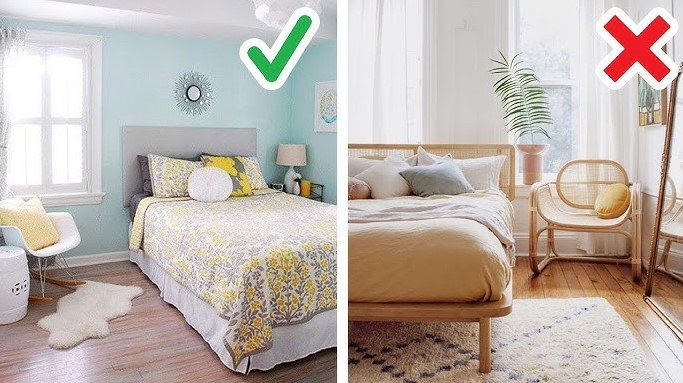
Small bedrooms often feel cramped, but clever design can make them feel cozy and stylish. Using light colors and reflective surfaces opens up the space, making it feel brighter and larger. Multi-functional furniture, like storage beds or foldable desks, keeps clutter at bay while adding practicality.
Wall shelves and vertical storage take advantage of unused space, giving the room a clean, organized look. Adding mirrors not only creates the illusion of depth but also brings more natural light into the room.
Textiles, such as rugs, curtains, and bedding, provide warmth and personality without overwhelming the space. Thoughtful lighting, from ceiling fixtures to bedside lamps, creates layers that enhance comfort and ambiance.
Even small decorative touches, like artwork or plants, make a big impact in tiny rooms. These 12 tiny bedroom decorating ideas show how careful planning and style choices can turn any small room into a welcoming retreat.
12 Tiny Bedroom Decorating Ideas
Small bedrooms can feel crowded, dark, or uncomfortable. Smart decorating choices make these rooms feel bigger, brighter, and more organized.
Tiny bedrooms need clever use of space, light, and colors. This guide shares 12 ideas that work for any small bedroom. Each tip includes details and examples so you can apply it easily.
1. Use Light Colors on Walls

Light colors create the illusion of space. White, cream, soft pastels, and light gray reflect more natural light. Research shows that light walls can make a room feel up to 20% larger than dark walls. Soft colors also calm the mind, which is important in a bedroom.
Try painting all walls in the same shade. A single color makes walls blend together, avoiding a boxed-in feeling. Accent walls with one slightly darker shade can add style without making the room feel smaller.
2. Add Mirrors to Create Space
Mirrors are powerful tools for small rooms. They reflect light and create depth. A study of interior design trends shows that mirrors make a room feel twice as spacious when positioned correctly.
Place a large floor mirror against one wall. Use mirrored wardrobe doors to combine storage with reflection. Even small decorative mirrors work near windows to increase daylight. Mirrors also add style, so choose a frame that matches your room theme.
3. Keep Furniture Minimal

Too much furniture crowds the space. Minimal furniture keeps the bedroom open and easy to move in. Experts suggest that small bedrooms should have only essential items: a bed, a small dresser, and a nightstand.
Slim furniture with clean lines works best. Avoid heavy, bulky items. For example, a bed with thin legs looks lighter than one with a thick frame. Using fewer items also reduces visual clutter, which makes the room feel calm.
4. Use Multi-Functional Furniture
Furniture that serves more than one purpose saves space. Beds with built-in drawers, ottomans with storage, and foldable desks are practical. A small desk can double as a vanity, reducing the need for extra furniture.
Data from space-saving furniture studies show that multi-functional pieces can free up 15–25% of floor space. This extra space can make a tiny bedroom feel more open.
5. Hang Shelves on Walls

Wall shelves give storage without using floor space. Floating shelves, corner shelves, and wall-mounted cubbies hold books, plants, or personal items. Keep the items organized to prevent clutter.
Vertical shelving is better than wide shelves in small rooms. This draws the eye upward and makes the ceiling look higher. Combining shelves with hooks or baskets adds extra storage and keeps the room tidy.
6. Maximize Natural Light
Natural light brightens the room and creates a sense of openness. Clean windows and sheer curtains allow more sunlight. Studies show that rooms with good daylight feel 20–30% larger.
Use light-colored blinds instead of heavy drapes. Place mirrors across from windows to bounce light. Avoid blocking windows with large furniture, as this reduces daylight and makes the room feel smaller.
7. Choose Small-Scale Bedding

Oversized bedding overwhelms a tiny bedroom. Use lighter sheets, thin blankets, and smaller pillows. Soft colors and subtle patterns make the bed look neat and the room feel spacious.
Stripes or light-colored bedding can visually stretch the room. Avoid heavy quilts or dark patterns that shrink the visual space. Bedding that matches wall colors creates a seamless look and increases the perception of space.
8. Declutter Often
Clutter makes a small room feel cramped and stressful. Experts recommend decluttering at least once a month. Keep only what you use daily. Use storage boxes, baskets, or under-bed drawers to organize other items.
A tidy room improves sleep and mental health. Studies show that organized spaces reduce stress and increase productivity. Small habits, like putting clothes away and clearing surfaces, can make a big difference in tiny bedrooms.
9. Hang Art Vertically

Vertical art draws the eye upward, making ceilings appear higher. Tall mirrors, narrow paintings, and vertical wall shelves enhance this effect.
Arrange artwork in vertical groups rather than horizontal rows. Use 2–3 pieces in a vertical line. This creates a feeling of height and gives a more open impression. The visual trick works especially well for bedrooms under 10×10 feet.
10. Add a Small Rug
Rugs add warmth and style. Use small or medium-sized rugs instead of covering the entire floor. A light-colored rug opens the space visually. Dark, full-floor rugs make the room feel boxed in.
Rugs can define zones, such as a reading corner or area near the bed. A patterned rug adds texture, but keep the design simple. Layering multiple small rugs can also add style without shrinking the space.
11. Use Soft Lighting

Soft lighting creates a cozy feeling. Table lamps, string lights, or small wall sconces work well in tiny bedrooms. Avoid one large ceiling light. Bright overhead lights can make the room harsh and small.
Warm LED bulbs create a calm atmosphere. Use lamps with dimmers for adjustable brightness. Strategic lighting, like placing a lamp on a shelf or under a wall-mounted reading nook, can make corners appear larger.
12. Keep Doors Clear
Open space around doors improves the flow. Avoid placing furniture that blocks entry or closet doors. Clear pathways make the room feel more spacious.
Even small changes, like moving a nightstand or choosing a sliding door, can free up floor space. A clear path also increases safety, prevents accidents, and makes daily movement easier.
Final Thoughts
Tiny bedrooms can feel big with careful design. These 12 tiny bedroom decorating ideas focus on color, light, furniture, and organization.
Using mirrors, light walls, soft bedding, and multi-functional furniture opens space visually and physically. Even the smallest bedroom can feel welcoming, stylish, and comfortable with these practical tips.
FAQs
1. Can small bedrooms feel stylish and modern?
Yes. Light colors, minimal furniture, and smart decorations make a small bedroom look modern and open.
2. Which furniture works best for tiny bedrooms?
Slim, multi-functional furniture saves space. Beds with storage or foldable desks are ideal.
3. How do mirrors affect a small bedroom?
Mirrors reflect light and create depth, making the room appear larger. Floor mirrors or mirrored closet doors work best.
4. What colors make a small bedroom look bigger?
White, cream, light gray, and soft pastels help the room feel bright and spacious.
5. How can I keep a tiny bedroom organized?
Declutter regularly, use under-bed storage, wall shelves, and baskets. Keep surfaces clean and items in order.