
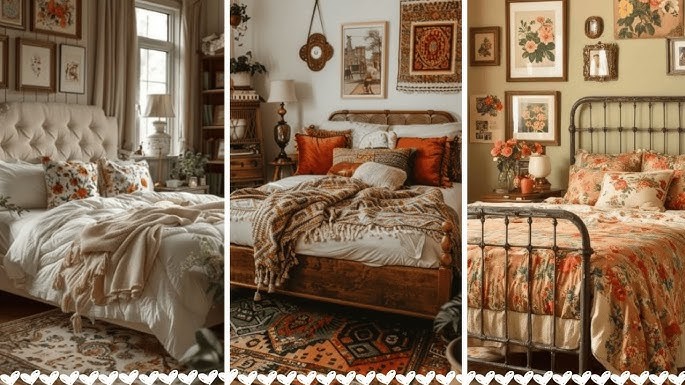
A bedroom should feel like a personal sanctuary where stress melts away and restful sleep comes easily. Colors, textures, and lighting play a huge role in setting the mood. Soft, neutral tones encourage relaxation, while subtle pops of color add personality without overwhelming the senses.
Natural elements, such as plants or wooden accents, bring warmth and a sense of grounding. Layered textiles like plush rugs, cozy throws, and airy curtains create a comforting atmosphere that invites you to unwind.
Thoughtful lighting choices, including warm lamps or string lights, help establish a gentle, calming glow. Even small touches, like artwork or personal mementos, contribute to a serene environment.
Each corner of the room can inspire peace, making it easier to detach from daily stresses. These five bedroom decor ideas focus on comfort, tranquility, and harmony, giving your space a refreshing sense of calm.
10 Relaxing Bedroom Decor Ideas
A bedroom is more than a place to sleep. It affects your mood, energy, and health. A calm bedroom can reduce stress, improve sleep, and make you feel comfortable.
Every detail counts. Colors, furniture, lighting, and decorations influence how relaxed you feel. Small changes create a big difference. Here are ten detailed ideas to make your bedroom peaceful and relaxing.
1. Use Soft, Neutral Colors

Colors affect the brain. Bright or dark colors can make you feel tense or restless. Soft colors like light blue, soft gray, beige, cream, or pastel green help the mind calm down.
Practical tips:
- Paint walls with one or two soft colors for balance.
- Use matching bedding, curtains, and rugs to keep the space harmonious.
- Add a few accent colors like soft pink or muted yellow to add warmth without stress.
Data point: Studies show people exposed to soft blue or green colors feel calmer and more focused than in bright red or orange rooms.
2. Invest in Comfortable Bedding
The bed affects sleep quality the most. A good mattress supports your back and reduces pain. Soft sheets made from cotton, linen, or bamboo improve comfort and help the skin breathe.
Extra touches:
- Layer pillows in different sizes for a cozy feel.
- Use a soft blanket or quilt for warmth.
- Replace bedding every 1–2 years to maintain hygiene.
Data point: Experts say quality sleep improves by 50% when the mattress and bedding support natural body alignment and comfort.
3. Keep Furniture Minimal

Cluttered bedrooms feel stressful. Too much furniture blocks movement and energy flow. Keep only essential pieces like a bed, nightstand, and dresser.
Extra tips:
- Use furniture with hidden storage to reduce visible clutter.
- Keep open space around the bed to allow easy movement.
- Small chairs or a small desk can work if needed, but avoid overcrowding.
Data point: Studies in environmental psychology show that open, organized spaces reduce stress hormones like cortisol.
4. Use Soft, Warm Lighting
Bright lights make it hard to relax. Warm lighting creates a calm environment. Use bedside lamps, string lights, or candles for soft illumination.
Extra tips:
- Dimmer switches let you adjust light according to mood.
- Avoid harsh fluorescent or LED ceiling lights in the evening.
- Place lights near the bed or corners to avoid glare.
Data point: Research shows warm light (2700–3000K) improves relaxation and supports natural circadian rhythm.
5. Add Natural Elements

Nature helps the mind relax. Green plants, fresh flowers, or wooden furniture improve mood and air quality.
Extra tips:
- Small indoor plants like succulents, ferns, or peace lilies are easy to care for.
- Wooden or bamboo furniture adds warmth and a natural touch.
- Natural textures like cotton or linen on bedding or curtains enhance comfort.
Data point: Studies indicate that indoor plants can reduce stress levels by up to 30% and improve focus.
6. Display Calm Artwork
Art affects emotions. Choose simple designs and soft colors. Images of nature, oceans, forests, or clouds can calm the mind. Avoid busy, dark, or violent images.
Extra tips:
- Hang artwork at eye level for balance.
- Rotate art occasionally to keep the room feeling fresh.
- Use frames in soft tones like white, beige, or wood.
Data point: Exposure to nature-inspired art has been linked to lower heart rate and reduced anxiety in research studies.
7. Declutter and Organize Regularly

Clutter increases stress and makes the room feel chaotic. Clear surfaces and organize items in drawers or boxes.
Extra tips:
- Sort clothes, books, and personal items monthly.
- Donate or discard items you no longer need.
- Use labeled storage boxes for small items to prevent mess.
Data point: Research shows that organized spaces improve mental clarity and reduce anxiety by up to 40%.
8. Use Soft Rugs and Curtains
Rugs and curtains add comfort and reduce noise. Soft textures feel good under feet and hands.
Extra tips:
- Choose rugs in neutral colors to match the room.
- Thick curtains block sunlight and street noise, improving sleep.
- Layer thin and thick curtains for flexibility in light control.
Data point: Textiles absorb sound and create a quieter, more restful room environment.
9. Introduce Relaxing Scents

Smell influences relaxation. Scents like lavender, chamomile, vanilla, or sandalwood calm the nervous system.
Extra tips:
- Use essential oils in a diffuser or scented candles.
- Keep scents mild to avoid irritation.
- Avoid strong chemical fragrances that may cause headaches.
Data point: Aromatherapy studies show lavender scent can reduce anxiety and improve sleep quality by up to 20%.
10. Add Personal Touches
Personal items make a bedroom feel safe and welcoming. Photos, favorite books, or small keepsakes create comfort.
Extra tips:
- Display items neatly to avoid clutter.
- Rotate small decorations to refresh the space.
- Use personal colors or textures that make you feel relaxed.
Data point: Personalized spaces improve emotional well-being and sense of security.
Final Thoughts
Relaxing bedrooms improve both mind and body. Soft colors, cozy bedding, natural light, and organized space reduce stress.
Plants, art, scents, and personal touches make the room comforting. Follow these ten relaxing bedroom decor ideas to design a peaceful space for rest, sleep, and daily comfort.
FAQs
1. How can I make a small bedroom feel calm?
Use soft colors, minimal furniture, and mirrors. Keep surfaces clear. Soft lighting and small plants add comfort.
2. What colors reduce stress in a bedroom?
Soft blue, pale green, beige, cream, and soft gray create a calm environment. Avoid bright reds or dark shades.
3. Which plants work best in bedrooms?
Succulents, ferns, peace lilies, and small flowering plants are easy to care for and improve air quality.
4. How should I light a relaxing bedroom?
Use warm, soft lights like bedside lamps or fairy lights. Avoid bright ceiling lights. Dimmer switches allow control.
5. How often should I clean and declutter?
Declutter monthly or when needed. Remove items you no longer use to keep the room organized and stress-free.