
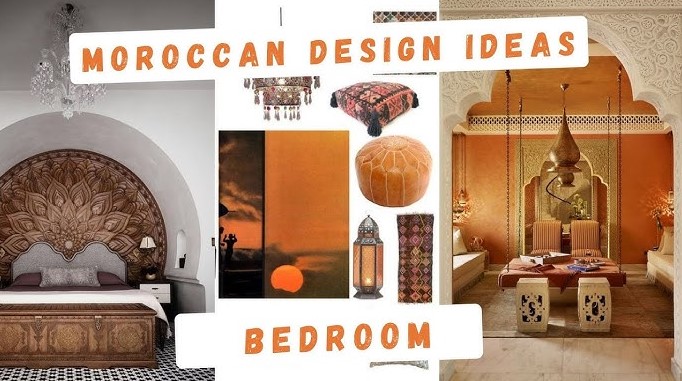
Moroccan style bedrooms captivate with their vibrant colors, intricate patterns, and rich textures. Every detail, from lantern lighting to carved wooden furniture, tells a story of artistry and tradition.
Jewel-toned textiles, bold rugs, and decorative pillows bring warmth and personality to any space, while geometric patterns on walls and ceilings add a sense of sophistication. Natural materials like wood, leather, and wrought iron create a grounded, earthy vibe that balances the opulent accents.
Layering soft fabrics with ornate décor creates a cozy, inviting atmosphere perfect for relaxation. Lighting plays a vital role, as lanterns, pendant lights, and soft candles cast a magical glow that enhances the room’s exotic charm.
Even small details, like mosaic mirrors or patterned cushions, contribute to the overall aesthetic. These 13 Moroccan style bedroom ideas provide inspiration to craft a space that feels both luxurious and authentically vibrant.
13 Moroccan Style Bedroom Decorating Ideas
Moroccan style brings warmth, color, and culture into a bedroom. It mixes bright colors, patterns, textures, and soft lights to create a unique, cozy space. Moroccan homes often use earthy tones, gold accents, and natural materials.
A Moroccan bedroom feels relaxing but also exciting. Using a few key elements, anyone can turn a plain bedroom into a vibrant, inviting retreat.
1. Use Bold Colors

Moroccan bedrooms are full of bold, bright colors. Red, blue, orange, yellow, and gold are common. These colors create energy and warmth in a room. Dark blue walls with gold accents can feel royal.
Deep red bed covers or curtains make the room cozy. Use one or two main colors and add smaller accents in other shades. Too many colors can feel busy. For small bedrooms, rich colors on one wall work better than painting the whole room.
Tip: Pair warm colors like red and orange with neutral shades like beige or cream to avoid overwhelming the room.
2. Add Patterned Textiles
Textiles define Moroccan style. Rugs, curtains, pillow covers, and bed throws often have geometric or floral patterns. Layering textiles adds depth and comfort.
Moroccan rugs, called “Boucherouite rugs,” are made from recycled fabrics and have bright patterns. Soft cotton, silk, or wool fabrics work best for comfort and authenticity.
Example: Use a patterned throw on a plain bed, a matching pillow, and a small rug beside the bed. This small change gives a strong Moroccan feel.
3. Include Moroccan Lamps

Lighting creates mood and character. Moroccan lamps have metal or wooden frames with cut-out patterns. They make beautiful shadows on walls when lights are on. Colored glass lamps add warmth and vibrancy. Lanterns can hang from ceilings or sit on bedside tables.
Fact: Traditional Moroccan lamps use brass or copper with intricate designs. The light can change the entire atmosphere of a room.
Tip: Use dim lights for relaxing nights and bright lights for morning or reading.
4. Use Low Seating
Low seating is common in Moroccan rooms. Floor cushions, poufs, or small sofas near the bed create a cozy corner. These cushions often have embroidery, leather, or bright fabric covers. Low seating encourages relaxation and makes the room feel casual yet stylish.
Example: A small reading corner with three colorful floor cushions and a pouf adds comfort and Moroccan charm.
5. Incorporate Carved Wood

Carved wood adds elegance. Headboards, side tables, or wall mirrors with carved patterns create texture and tradition. Dark wood contrasts well with bright walls. Carvings can be geometric or floral.
Tip: Even small carved trays or boxes add Moroccan style to a bedroom without heavy furniture.
Data: Traditional Moroccan woodwork uses cedar or thuya wood. These woods last long and have a natural aroma.
6. Add a Canopy or Draped Bed
A canopy bed or draped fabrics gives a luxurious Moroccan look. Lightweight fabrics like silk, cotton, or voile work best. Draped fabrics over the bed or ceiling add privacy and softness. Colors like deep red, gold, or blue match Moroccan style.
Tip: Keep the fabric soft and light. Avoid thick curtains, as Moroccan style favors airy elegance.
7. Use Mosaic Tiles

Mosaic tiles are a hallmark of Moroccan design. They have geometric shapes and bright colors. You can use tiles on floors, walls, or small furniture like bedside tables. Even small tiles on a tray or coaster add art and culture to the room.
Fact: Moroccan tiles, called “Zellige,” are handmade and hand-cut. Each piece is unique and creates intricate patterns.
Tip: Mix small and large tiles to create layers of design in a room.
8. Mix Metals and Mirrors
Metallic accents add luxury. Gold, copper, and bronze are common in Moroccan style. Mirrors with unique shapes or metal frames make rooms feel larger. Metal trays, lamps, or decor add sparkle and charm.
Tip: Use small metallic items if the room is small. Too many shiny objects can feel overwhelming.
9. Layer Rugs

Rugs create comfort and style. Moroccan rugs use colors like red, blue, yellow, and cream. Layering rugs adds texture and depth. Place a large rug under the bed and smaller ones near the seating or bedside. Rugs make walking in the room soft and cozy.
Data: Traditional Moroccan rugs are handwoven, made of wool, and can last over 50 years with care.
Tip: Layer rugs with different patterns but similar color tones for balance.
10. Use Arched Furniture or Decor
Arches are classic in Moroccan design. Arched mirrors, headboards, and shelves give elegance and flow. Arches soften room corners and walls. Even small arch-shaped wall shelves add authenticity.
Example: An arched mirror above the bed makes the room feel taller and more spacious.
11. Add Plants

Plants bring life and freshness. Potted palms, ferns, and succulents fit Moroccan style. Green color contrasts beautifully with bold wall colors and wooden furniture. Plants improve air quality and create calm.
Tip: Use clay pots or metal planters for a more Moroccan look.
12. Include Poufs and Ottomans
Poufs and ottomans are both decorative and functional. Leather poufs or colorful embroidered ones work well. They can serve as seating, footrests, or small tables.
Fact: Traditional Moroccan poufs are handmade and often use natural leather or wool.
Tip: Place a pouf at the foot of the bed or near a seating corner.
13. Keep the Room Cozy

A Moroccan bedroom feels cozy. Layered rugs, soft blankets, cushions, and low lighting add warmth. Avoid too many large furniture pieces. Focus on comfort with style. A cozy bedroom invites relaxation, reading, and peaceful sleep.
Tip: Use soft fabrics and dim lighting at night to create a restful environment.
Final Thoughts
Moroccan style brings color, comfort, and culture into a bedroom. Bold colors, patterned textiles, layered rugs, and carved wood create a lively yet relaxing space. Lamps, poufs, and mosaics add authentic details.
These 13 Moroccan style bedroom decorating ideas provide practical steps to transform any bedroom into a warm, exotic, and cozy retreat. Small changes in color, light, or texture can make a big difference.
FAQs
Q1: Which colors fit Moroccan bedrooms best?
Deep red, blue, orange, yellow, and gold work well. Pair bright colors with neutral shades to balance the room.
Q2: Can a small bedroom use Moroccan style?
Yes. Focus on one bold color, a small patterned rug, and a few accessories. Avoid too many large furniture pieces.
Q3: What type of furniture is common?
Low seating, carved wooden tables, poufs, and simple beds with patterned headboards are common.
Q4: What lighting works best?
Lanterns or lamps with cut-out patterns create soft and warm light. Dim lights are ideal for relaxing nights.
Q5: Can Moroccan style mix with modern style?
Yes. Modern furniture with Moroccan accents like rugs, lamps, or pillows blends well. Keep colors and textures balanced.