

Tired of your duvet bunching up inside its cover? Using duvet cover ties is the ultimate solution to ensure your bedding stays crisp, aligned, and comfortable all night long. This guide walks you through the simple steps to secure your insert and achieve that flawless, hotel-style look effortlessly.
There is nothing quite like the feeling of sliding into a perfectly made bed after a long day. Everything feels crisp, clean, and exactly where it should be. Yet, we have all experienced the nightly struggle of a duvet insert that decides to bunch up, slide to the bottom, or turn sideways inside its cover.
It is frustrating, uncomfortable, and frankly, it ruins the aesthetic of an otherwise tidy bedroom. Thankfully, the secret to a perfectly maintained bed lies in a simple, often overlooked feature: the duvet cover ties.
In 2026, bedroom comfort has become a top priority for home design. We are spending more time focusing on our sleep environments to boost our wellness and productivity. Using duvet cover ties correctly is a small adjustment that yields massive results for your sleep quality.
Whether you are a fan of minimalist decor or you enjoy a plush, layered look, mastering the art of the tie will save you precious time every single week. Let’s dive into how you can stop the shifting and start enjoying a better night of rest.
Key Takeaways
- The Purpose: Duvet cover ties are small fabric ribbons sewn into the corners of a cover to prevent the insert from shifting or sliding.
- Preparation: Always turn your cover inside out first to make accessing the corners quick and frustration-free.
- Securing Techniques: Use a simple double-knot to keep the ties firm, ensuring they don’t slip loose during tossing and turning.
- Compatibility Checks: Not all duvet inserts have corner loops; if yours doesn’t, consider adding small fabric loops or using specialized bedding clips.
- Maintenance: Untying the knots before laundering prevents tangling and protects the delicate ribbons from fraying in the dryer.
Understanding the Mechanics of Duvet Cover Ties
Before we jump into the “how-to,” let’s talk about why these little ribbons exist in the first place. Most high-quality duvet covers are designed with four internal ties, located at each inner corner. These ties act as anchors.
When you pair them with a duvet insert that has corresponding loops, you essentially create a tethered system that holds the insert in place, regardless of how much you move around while sleeping.
Why Bedding Inserts Shift
Duvet covers are typically made of cotton, linen, or synthetic blends, and they have a fair amount of weight. As you move, the friction between the fabric of the insert and the inside of the cover causes the insert to migrate. Without ties, gravity and your movement will inevitably force the insert toward the foot of the bed. By using duvet cover ties, you stop this migration at its source.
The Compatibility Factor
The system works best when both your cover and your insert are compatible. If your duvet insert is missing loops, don’t worry. You can easily sew a small ribbon or a piece of fabric tape to the corners of your insert. This simple DIY fix allows you to utilize your duvet cover ties even if your current insert wasn’t designed with that feature in mind. Taking five minutes to add these loops will pay off in weeks of hassle-free bed making.
Step-by-Step: The Perfect Way to Attach Your Duvet
Many people find changing their bedding to be a chore, but it does not have to be. By following a consistent method, you can make the process smooth and quick. Here is the foolproof way to use your duvet cover ties every time you wash your sheets.
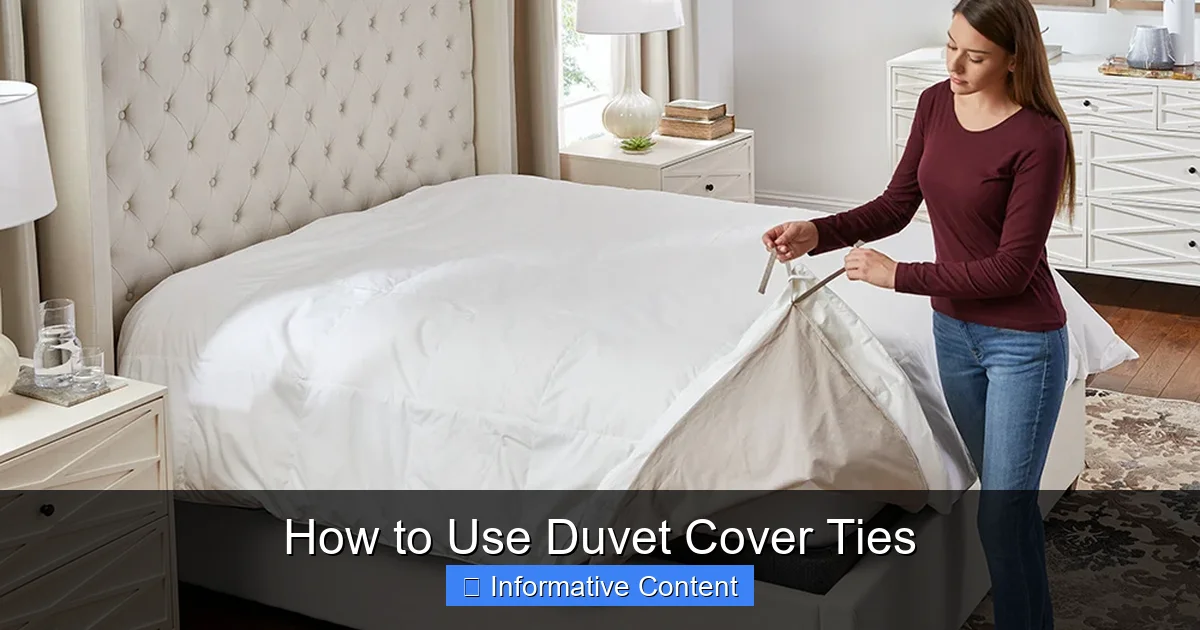
Visual guide about How to Use Duvet Cover Ties
Image source: contentgrid.homedepot-static.com
Step 1: The Inside-Out Approach
Start by turning your duvet cover completely inside out. Lay it flat on your bed so that the inner corners are facing upward. This makes it incredibly easy to reach the corners and see the ties. If you try to reach inside a cover that is right-side out, you are essentially working in the dark, which leads to tangles and frustration.
Step 2: Aligning the Corners
Place your duvet insert on top of the inside-out cover. Line up the corners of the insert with the corners of the cover where the ties are located. If your insert has loops, thread the duvet cover ties through those loops. This is the moment where the magic happens. Make sure the fabric is flat and not bunched before you move on to the next step.
Step 3: Securing the Ties
Once the ties are threaded through the loops, tie them securely. A standard double-knot is usually the best choice. While it might be tempting to tie them loosely to make removal easier later, a loose knot will come undone as you shake out the duvet. A double-knot provides just enough friction to keep things tight while still being easy to undo when laundry day rolls around.
Step 4: The Flip Technique
Once all four corners are tied, you can reach inside the cover from the opening (usually at the bottom) and grab the corners of the insert. While holding those corners, shake the entire cover over the insert. It will flip right-side out naturally, wrapping the insert perfectly as it falls into place. This “flip and shake” method is the industry secret to making a bed in seconds.
Pro Tips for Managing Difficult Bedding
Even with the best instructions, some bedding can be stubborn. If you find that your duvet cover ties are constantly slipping or that your insert is exceptionally heavy, consider these advanced tips to keep your bed in tip-top shape.
Using Tension Clips as an Alternative
If your ties feel too thin or the fabric is too slippery to hold a knot, you can purchase duvet clips. These are small, plastic or metal fasteners that snap onto the corners of the duvet insert, clamping them to the cover fabric. They are a great modern solution for people who struggle with fine motor skills or who simply want a more secure hold than a standard ribbon can provide.
The Importance of Knot Choice
Believe it or not, the type of knot matters. Avoid a “slip knot” if you want the cover to stay secure. A square knot or a simple double-overhand knot is best. If you find that the fabric is very silky and the ties keep sliding off, you might even consider wrapping the tie around the loop twice before tying the final knot. That extra friction helps keep the connection firm.
Maintenance and Care for Your Ties
Like any part of your home, your bedding requires a little care to last. Duvet cover ties are often made of delicate ribbon material, and they can be sensitive to the harsh environment of a washing machine or dryer.
Before You Wash
Always, and we mean always, untie the knots before you put your duvet cover in the wash. If you leave them tied, they can become tightly knotted during the spin cycle, making them almost impossible to untie later. Additionally, if the ribbons get caught in the drum of the machine, they can fray or tear away from the seam.
Protecting the Ribbons
If you have a mesh laundry bag, consider placing your duvet cover inside it. This prevents the ties from whipping around during the wash cycle. It is a simple step that significantly increases the lifespan of your cover. When you remove the cover from the dryer, shake it out while it is still warm to prevent wrinkling and ensure that the ties remain straight and ready for your next bed-making session.
Troubleshooting Common Duvet Issues
Sometimes, despite your best efforts, things don’t go according to plan. Perhaps the cover is too big for the insert, or the ties are missing altogether. Let’s look at how to handle these common scenarios so you aren’t stuck with a lumpy bed.
When the Cover Is Too Large
If your duvet cover is significantly larger than your insert, even ties in the corners won’t prevent the insert from sliding in the middle. In this case, you might need to use safety pins or magnetic duvet clips along the edges to keep the fabric taut. Alternatively, you can have the cover professionally altered to fit your specific insert, which provides a much more polished look.
Missing or Broken Ties
If you have an older duvet cover where the ties have fallen off, don’t throw it out. It is very easy to sew new ribbons onto the corners. You can buy sturdy cotton twill tape or satin ribbon at any local craft store. Just stitch them firmly into the corner seams, and your duvet cover is as good as new.
Creating a Luxurious Sleep Environment
Ultimately, the reason we care about duvet cover ties is that we want a comfortable, relaxing space. By mastering these small details, you are investing in your own peace of mind. A bed that stays organized is a bed that invites better sleep. When your duvet insert stays put, you don’t wake up feeling unevenly covered or struggling to find the warm parts of the blanket.
In 2026, we are also seeing a trend toward “intentional living.” This means taking care of the items we own so they last longer and perform better. Your bedding is an essential part of your daily routine. By taking the extra minute to tie those ribbons correctly, you are showing your home (and yourself) a little bit of love.
Enjoy the comfort of a perfectly secured duvet and the satisfaction of a bed that looks like it belongs in a five-star hotel. With these techniques, you will find that the “battle” with your bedding is a thing of the past. Keep your ties firm, your corners aligned, and your sleep uninterrupted. Happy making!
Frequently Asked Questions
What if my duvet insert doesn’t have corner loops?
If your insert lacks loops, you can easily sew small fabric ribbons or bias tape to the corners yourself. Alternatively, you can use specialized magnetic or plastic duvet clips that grip the insert and cover together without needing sewing.
How often should I untie the duvet cover ties?
You should untie the knots every time you remove the cover for laundering. Failing to do so can cause the ribbons to tangle, fray, or even tear off in the washing machine or dryer.
Why does my duvet insert still shift even after using the ties?
This usually happens if the duvet cover is much larger than the insert, allowing the middle to sag or shift. Ensure your insert size matches your cover size, or use additional clips along the sides to keep the fabrics taut.
Are double-knots too hard to untie?
While double-knots are secure, they are usually easy to undo if you use a simple overhand knot technique. If you have trouble with small knots, use a pair of tweezers or a safety pin to help loosen the loop.
Can I wash the duvet cover with the ties attached?
It is strongly recommended to untie them first to prevent damage. If you must keep them attached, place the entire duvet cover in a large mesh laundry bag to protect the delicate ties from the agitator.
What type of fabric is best for duvet cover ties?
Cotton twill tape or polyester satin ribbons are ideal because they are durable and resistant to heat. Avoid cheap, thin ribbons that may snap easily under the tension of a heavy duvet insert.