

A heavy mirror can hang securely on a brick wall when the fasteners grip the masonry and match the mirror’s mounting hardware. The reliable method is to drill into the brick or mortar, install masonry-rated anchors, and attach the mirror with matching screws or a rated hanger designed for masonry. Measure the hardware spacing, mark the holes level, and use a hammer drill with a masonry bit.
The mirror should not rely on a generic picture hook intended for drywall. For a very heavy mirror, use higher-strength masonry hardware or hire a professional rather than guessing at the anchor type or load rating.
Key Takeaways
- Use masonry-rated anchors. Brick needs anchors and screws made for masonry, not drywall plugs.
- Measure hole spacing before drilling. The center-to-center distance between the mirror’s hooks or brackets determines where the anchors go.
- Use the right drill. A hammer drill with a masonry bit is the practical setup for clean holes in brick.
- Check level twice. Confirm your marks before drilling and check the mirror again before fully tightening the fasteners.
- Use a second person for the final hang. Heavy mirrors are awkward to lift and position safely alone.
- Inspect the installation afterward. Re-tighten when appropriate and check for movement, cracks, or chipping around the mounting points.
What You Need Before Hanging a Heavy Mirror on Brick
The finished mirror should sit level, remain secure if someone bumps it, and transfer its weight into the brick through properly rated anchors. Brick is hard but often uneven, so the mounting hardware and layout both need to be precise.
Gather these supplies before drilling:
- Hammer drill
- Masonry bit sized for the selected anchors
- Pencil
- Tape measure
- Level
- Masonry anchors
- Matching screws or mirror-mounting hardware
- Sturdy ladder or scaffold for an elevated installation
Have a second person help lift and hold the mirror during the final alignment. A heavy mirror can be difficult to control from a ladder, especially when you need both hands to engage hooks, a bracket, or a cleat.
Inspect the back of the mirror before choosing hardware. Some mirrors have two hooks, while others use a bracket or cleat. The mounting system must match that exact layout. If the mirror has two hanging points, measure the center-to-center distance between them. That measurement determines the anchor locations on the wall.
💡 The PHS Concrete & Brick Cleat Kit provides a sturdy mounting base, ideal for heavy mirrors on brick walls. PHS Concrete & Brick Cleat Kit, 12 in, Holds 100 lb, with Screws.
How Brick Anchors Support a Heavy Mirror
A brick-wall installation needs a mechanical connection between the fastener and the masonry. You create that connection by drilling a hole with the correct diameter and depth, then installing an anchor designed for brick or masonry. The screw or mounting hardware threads into that anchor and carries the mirror’s load.
Masonry anchors come in several styles. Expansion-style anchors grip the sides of a drilled hole as they are installed, while other designs rely on twisting or wedging. Follow the selected anchor’s instructions for the correct bit size, hole depth, and installation method. A steel anchor or professional-grade mounting system is the safer choice for a very heavy mirror.
Load sharing and alignment matter as much as anchor strength. If the mounting points are slightly off, the mirror may sit crooked or place uneven stress on one side. Measure the hardware center to center, transfer that spacing accurately to the wall, and use a level before drilling.
Brick and mortar do not behave exactly the same way. The anchor instructions should specify whether the hardware is intended for brick, mortar, or both. If you are deciding between drilling into the brick and drilling into the mortar, follow the anchor manufacturer’s guidance rather than applying drywall-mounting assumptions.
💡 Hillman’s No-Stud Masonry Picture Hanger is rated for 300 lb, ensuring reliable support in brick or concrete. Hillman No-Stud Masonry Picture Hanger for Brick and Concrete, 300 lb.
Step-by-Step: Hanging a Heavy Mirror on Brick
- Confirm the mirror’s hanging hardware. Identify whether the mirror uses two hooks, a bracket, or a cleat. Measure the center-to-center distance between the hanging points.
- Choose the drill bit and anchors. Match the masonry bit, anchor size, and screw hardware to the mirror’s mounting points. Make sure the anchors are designed for brick or masonry.
- Set the mounting height. Hold the mirror in position with help, or use the mounting bracket as a template. Mark the intended top edge and the hanging-point locations with a pencil.
- Create level reference marks. Use a level to mark the height of one hanging point. Transfer that line to the second point using the measured center-to-center distance.
- Drill the holes. Use a hammer drill and masonry bit. Keep the drill perpendicular to the wall and drill to the depth specified by the anchor instructions.
- Install the anchors. Insert each anchor using the method specified for that design, such as tapping, twisting, or tightening.
- Attach the mounting hardware. Drive the correct screws into the anchors, or attach the mirror’s hanger bracket or cleat. Start the screws loosely enough to allow minor alignment adjustments.
- Hang and align the mirror. Have your helper hold the mirror while you engage the hooks, bracket, or cleat. Check that the mirror is level and centered, then tighten the fasteners fully.
A no-load dry run helps prevent avoidable mistakes. Install the anchors and screws, then hang the mirror without tightening beyond snug. Confirm that the hardware engages correctly and that the mirror sits level before applying final tightening.
With two hanging hooks, both hooks should drop into position at the same time when the mirror is level. If one side engages first or the mirror sits skewed, stop and adjust the screw position before tightening everything.
💡 These durable metal clips provide a secure and reliable mounting solution specifically designed for supporting heavy mirrors on masonry surfaces. 6Pcs Metal Mirror Clips for Wall Mounting, Mirror Holder Clips Heavy Mirror Hangers for The Wall (Black).
Techniques That Keep the Mirror Secure
Load distribution remains important after the anchors are selected. A bracket or cleat with multiple screw holes can spread the weight across a wider area when installed with the correct screw pattern. A mirror supported by two small hanging points needs strong, properly seated anchors at the exact spacing.
| Mounting setup on the mirror | Hardware you generally want for brick | Best for |
|---|---|---|
| Two hanging hooks | Masonry anchors and screws that match the hook hole size | Mirrors with two-point leveling |
| Back bracket with multiple screw holes | Masonry anchors sized for the bracket screw spacing | Heavier mirrors needing better load spread |
| Cleat system | Masonry anchor pattern matching the cleat | Wide mirrors where you want stable support |
| Very heavy mirror | Higher-strength masonry hardware; consider professional installation | Reducing risk from under-rated DIY mounting |
For an extremely heavy mirror, choose hardware based on its rating and suitability for the actual load rather than choosing whatever anchor is available. A professional can select and place the mounting hardware when the mirror’s weight or size makes the installation difficult to judge.

Helpful pick
Heavy Duty Glass Clamp Mirror Holders for Secure Wall Mounting of Mirrors & Art
These heavy-duty glass clamps provide a secure, professional mounting solution that effectively distributes the weight of your mirror across brick surfaces.
Safe Installation Practices
Follow the anchor and screw instructions exactly. Masonry anchors depend on a specific drill diameter, hole depth, and installation method. A hole that is too shallow or too large can prevent the anchor from gripping as intended.
Check the wall area before drilling. Look for possible plumbing or wiring routes nearby and choose a location that allows the mirror to sit where you want it. Brick may not have the same stud layout as drywall, but hidden building services can still affect where it is safe to drill.
Plan the final lift before you start. Heavy mirrors are awkward, and dropping one while trying to engage the hardware can damage the glass, wall, or both. Use a second person to hold the mirror and a stable ladder or scaffold when the mounting points are above eye level.
Tighten the fasteners gradually. Start with the screws snug so you can confirm that the hooks, bracket, or cleat seats correctly. Once the mirror is level and fully engaged, tighten the fasteners. Re-check the installation after a few minutes because the bracket or hooks can settle slightly.
Treat the first week as a verification period. Look for movement, loosened hardware, cracks, or chipping around the mounting points. Re-tighten when the mounting system allows it, but do not force a fastener that is damaging the brick or hardware.
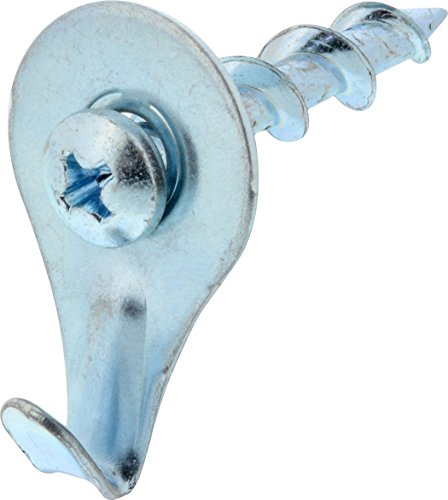
Helpful pick
Hillman Wall Dogs with Picture Hook, 50lb Capacity, 10 Set, Chrome
These specialized screws are designed to anchor directly into masonry, providing the reliable grip necessary for securing heavy mirrors to brick.
Mistakes That Cause Brick-Wall Mirror Failures
Using drywall anchors or plastic plugs. These products are not designed to grip brick or carry the sustained load of a heavy mirror. If an anchor is not rated for brick or masonry, do not use it.
Ignoring the mirror’s mounting pattern. Drilling at the wrong spacing forces the mirror to sit crooked and can place extra stress on the hardware. Measure the hooks, bracket, or cleat center to center before transferring the marks.
Skipping the level check. A slightly tilted mirror may look wrong and can increase side-loading on the mounting points. Level the marks before drilling, then check the mirror again before final tightening.
Drilling with the wrong tool or bit. An unsuitable bit or careless drilling can produce oversized holes, poor anchor seating, and an unreliable mount.
Tightening before confirming the fit. Fully tightened screws remove your ability to make easy alignment corrections. Dry-fit the mirror first, confirm that every hook or bracket engages correctly, and tighten only after the mirror sits properly.

Helpful pick
PHS Wall Dog Wire Hangers, 3 in, Holds 100 lb, 4 Pack with Screws
These specialized masonry screws provide the secure, heavy-duty grip necessary to safely support substantial weight on brick surfaces without failing.
Small Details That Make the Installation Easier
A simple template can improve accuracy when the mirror uses a bracket with several screw holes. Mark the bracket hole positions on cardboard or paper using a center reference, then transfer those points to the wall. This reduces the chance of drilling one hole slightly out of position and forcing the bracket to twist.
Plan the drill depth before making the holes. The anchor instructions specify how deep to drill, and that measurement matters. A shallow hole may leave the anchor partly unsupported, while an excessively deep hole can weaken the hold or prevent the screw from engaging correctly.
Set out the fasteners, level, anchors, and bit before climbing the ladder. Searching for the correct screw halfway through the installation can lead to rushed decisions or unsafe handling.
Use the right picture-hook style when the mirror is designed for hooks. Some steel or hinge-style picture hooks are made specifically for brick or concrete. Generic hooks may not carry a heavy mirror or may not attach to masonry correctly. Choose a masonry-rated hook system or an anchor that matches the hook’s mounting method.
Treat the job as a mechanical installation rather than simple decorative placement. Measure carefully, drill cleanly, and use hardware intended for both the wall type and the mirror’s load.
FAQ
What kind of anchors should I use to hang a heavy mirror on brick?
The appropriate choice depends on the mirror’s weight, mounting pattern, and the anchor manufacturer’s rating. For unusually heavy mirrors, a professional-grade system or professional installation may be appropriate.
Do I need a hammer drill to drill into brick for a mirror?
A hammer drill is the practical tool because it drives the masonry bit with impact as it drills. Without one, the work becomes harder and the holes may be less accurate. For clean anchor installation, use a masonry bit with hammer action.
How do I make sure my heavy mirror stays level?
Use a no-load dry run before final tightening. Both hanging points should engage evenly, and the mirror should remain level once it is fully supported.
How long does it take to hang a heavy mirror on a brick wall?
Most of the time goes into measuring, marking, and drilling accurately. A careful DIY installation often takes a few hours total because the layout and anchor holes need attention. A large mirror or an overhead installation requires additional setup and safe-handling time.
What is the most common mistake when mounting a mirror on brick?
Errors usually occur when the mounting pattern is measured inaccurately or the installation is tightened before the hardware is confirmed to engage correctly. A dry fit helps reveal those problems before the mirror is fully secured.