

Yes, you can absolutely use a duvet cover without an insert to create a lightweight, chic bedding layer perfect for warmer nights. By treating the cover like an oversized flat sheet or a decorative top layer, you gain a versatile piece that is incredibly easy to wash and store throughout the year.
If you have ever looked at your beautiful, high-thread-count duvet cover and thought about how much you love the pattern but hate the hassle of the insert, you are not alone. Many people often ask, “Can you use a duvet cover without an insert?”
The short answer is a resounding yes. In fact, as we head further into 2026, this interior design hack is becoming a staple for those who value both style and practicality in their homes. When the weather warms up or you simply want to change your bedroom vibe, pulling out the heavy, bulky insert can feel like a chore.
Using a duvet cover on its own transforms your bedding into a lightweight, airy blanket that feels like a crisp, oversized sheet. It is a simple, budget-friendly way to refresh your space without needing to go out and buy a brand-new summer quilt or expensive coverlet.
Key Takeaways
- Minimalist Aesthetic: Using a duvet cover alone creates a clean, modern, and uncluttered look in your bedroom.
- Summer Comfort: It acts as a perfect breathable layer during hot months when heavy down or synthetic inserts feel stifling.
- Easy Maintenance: Without the bulky insert, you can throw your duvet cover directly into the washing machine and dryer with ease.
- Cost-Effective: You can save money by repurposing your existing covers as standalone bedspreads instead of buying expensive summer quilts.
- Space Saving: Storing a thin fabric cover takes up significantly less closet space than bulky traditional duvets or comforters.
- Texture Play: Use covers made of high-quality linen or brushed cotton to enjoy the natural feel of the fabric against your skin.
Understanding the Role of the Duvet Cover
Traditionally, we are taught that a duvet cover is simply a protective sleeve for an insert. However, interior designers have long treated these covers as versatile textile tools. Think of the cover as the “skin” of the bed.
When you remove the “muscle” (the insert), you are left with a piece of fabric that is essentially a stylish, durable sheet. Because most covers are crafted from premium materials like Egyptian cotton, linen, or bamboo, they are perfectly suited to be in direct contact with your body.
The Benefits of Going Insert-Free
The primary benefit of using a duvet cover without an insert is the sheer ease of maintenance. Anyone who has wrestled with corners, ties, and shifting filling knows the frustration of “re-stuffing” a duvet. When you use the cover solo, laundry day becomes a breeze. You simply unbutton or unzip the cover, toss it in the wash, and it is usually dry within hours. It is the perfect solution for busy professionals or parents who need bedding that can withstand frequent cycles in the washing machine.
Furthermore, using a duvet cover without an insert allows for better airflow. During the summer, standard duvets can trap heat, making for a restless night. A single layer of fabric provides just enough weight to keep you feeling secure while allowing your skin to breathe. It is the ultimate “low-maintenance” luxury.
Styling Your Bed for a Modern Look
One of the biggest concerns people have when asking, “Can you use a duvet cover without an insert?” is whether the bed will look “flat” or “unfinished.” The secret to making this look intentional is in your styling. A thin layer of fabric draped over your bed can actually look incredibly sleek and high-end, similar to the minimalist style found in high-end boutique hotels.
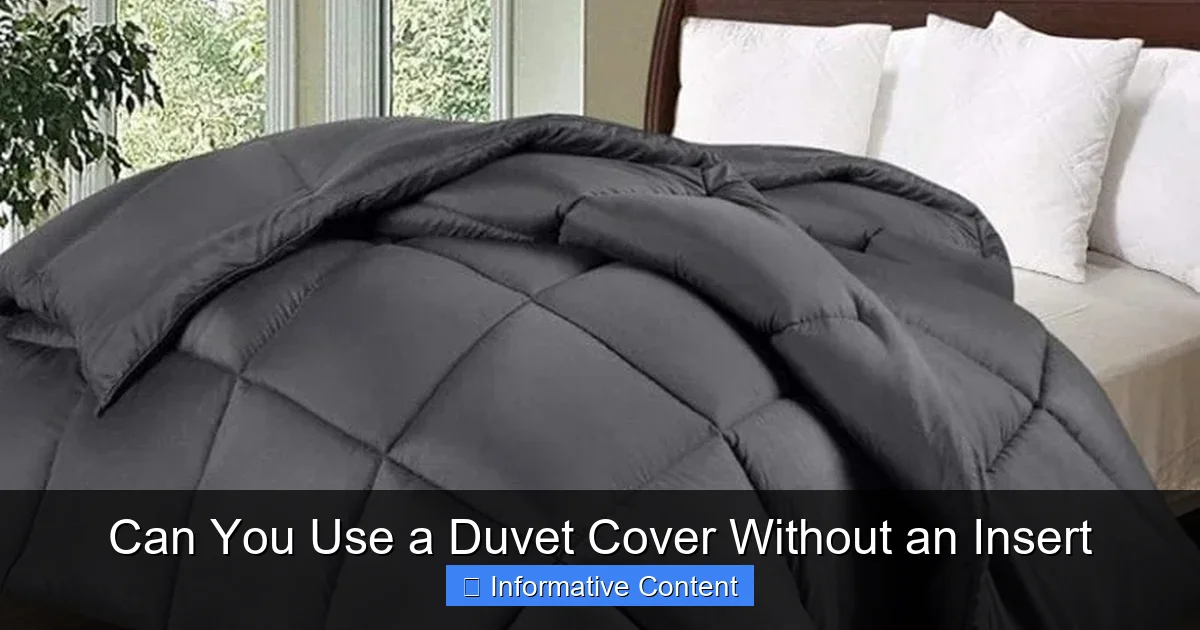
Visual guide about Can You Use a Duvet Cover Without an Insert
Image source: bestmattressuk.com
Layering for Depth
To avoid a “flat” appearance, use the “layering” method. Start with your bottom sheet, add a thin, decorative quilt or a wool blanket underneath the duvet cover for a touch of hidden warmth, and then drape the cover over the top. This gives your bed depth and texture. You can fold the top edge of the cover down slightly, exposing the layers underneath, which creates a visual invitation for anyone entering the room.
Consider the fabric choice when styling your bed. If you are using a duvet cover without an insert, linen is your best friend. Its natural texture and slight drape make it look elegant even when it is not puffed up with filling. A wrinkled, lived-in look is very trendy in 2026, and a linen cover provides that effortlessly chic aesthetic naturally.
Maintenance and Durability
Because you are no longer dealing with the stress of the insert, the lifespan of your duvet cover actually increases. The friction and tension created by the corners of a heavy insert are often what cause seams to rip or ties to fray over time. By removing the insert, you eliminate that internal pressure.
Washing Tips for Standalone Covers
Since the cover is now your primary top layer, it will need to be washed as often as you wash your flat sheet. Keep the following tips in mind to keep your cover in top shape:
- Use Gentle Detergent: Since you are washing the cover more frequently, avoid harsh chemicals that might break down fibers.
- Check Fasteners: Always close the buttons or zippers before washing to prevent them from catching on other items or snagging the fabric.
- Air Dry When Possible: Sunlight and a gentle breeze will leave your cover smelling fresh and feeling crisp without the wear and tear of a high-heat dryer.
Transitioning Between Seasons
One of the most practical reasons to ask, “Can you use a duvet cover without an insert?” is the seasonal transition. In many climates, the temperature swings drastically throughout the year. Instead of needing a full-weight winter duvet and a separate summer quilt, you can simply keep one high-quality duvet cover set on hand.
The “Two-in-One” Bedding Strategy
By investing in a great duvet cover, you are really investing in two products in one. In the winter, you pair it with a heavy down insert for maximum insulation. As spring arrives and the temperature rises, you simply remove the insert and store it in a vacuum-sealed bag. Your bed instantly transforms into a cooling, breathable oasis. This saves you valuable storage space in your linen closet and keeps your bedroom organized.
Choosing the Right Fabric
If you plan on using your duvet cover without an insert, the fabric becomes the most important factor. Since the cover will be touching your skin, you want something that feels luxurious. In 2026, we are seeing a massive shift toward natural fibers that regulate temperature.
Best Fabrics for “Naked” Covers
Linen: The king of texture. It is naturally moisture-wicking and looks better the more you wash it.
Bamboo Viscose: Incredibly soft, almost silky to the touch. It is perfect if you tend to sleep hot, as it stays cool to the touch all night long.
Brushed Cotton: If you love that “cozy” feeling but don’t want the bulk of an insert, brushed cotton offers a soft, flannel-like touch that is still light enough for warmer weather.
Common Myths Debunked
There are many misconceptions surrounding this bedding style. Let’s address a few common worries so you can feel confident in your choice. Many people fear that the cover will “bunch up” or slide off the bed without the weight of an insert.
While it is true that a lighter cover is more prone to shifting than a weighted one, a quick tuck at the foot of the bed is usually sufficient. You can also use small decorative clips or tuck the cover firmly under your mattress to hold it in place.
Addressing the “Unfinished” Concern
Another myth is that it looks cheap. On the contrary, high-quality bedding brands have actually begun selling “lightweight duvet covers” or “summer spreads” that are essentially the same thing. By styling yours with decorative throw pillows and a folded throw blanket at the end of the bed, you create a professional, designer-grade look that guests will admire.
Ultimately, your bed is a personal sanctuary. Whether you choose to follow traditional rules or carve your own path by removing the insert, the most important factor is that you get a good night’s sleep.
Using a duvet cover on its own is a flexible, modern approach to bedding that puts your comfort and convenience first. Whether you live in a tiny apartment and need to save space or you simply love the feel of a lightweight layer, this approach is a winner.
So, the next time you are folding away your winter bedding, leave the insert in the closet. Give your duvet cover a chance to shine on its own. You might find that you never want to go back to the heavy, stuffy bedding of the past. Embrace the breezy, clean, and modern lifestyle of 2026.
Frequently Asked Questions
Can you use a duvet cover without an insert all year round?
While you can, it is most ideal for warmer months or if you live in a hot climate. In the winter, you may find you need the extra insulation provided by an insert to stay warm.
Will the duvet cover slide off the bed if it is too light?
It can shift slightly because it lacks the weight of an insert, but tucking the foot of the cover under your mattress will usually hold it securely in place. You can also use simple fabric clips to keep it centered.
Is it weird to sleep under just a duvet cover?
It is not weird at all! Many people prefer this method because it feels like sleeping under a high-quality oversized sheet, offering a clean and breathable experience.
Does using a duvet cover without an insert save money?
Yes, it saves money because you don’t need to purchase separate summer quilts or coverlets. You can simply use the duvet cover you already own to achieve a lightweight look.
How do I make the bed look nice without an insert?
Layering is the secret. Add a throw blanket at the end of the bed and use decorative pillows to add volume and texture so the bed does not look too flat.
Can I wash a duvet cover as often as a sheet?
Absolutely, and you should! Since it is now your top layer in direct contact with your body, washing it weekly or bi-weekly is recommended to keep it fresh and clean.